New Patients Welcome!

Keeping Your Mouth Healthy After an Extraction
February 25, 2023
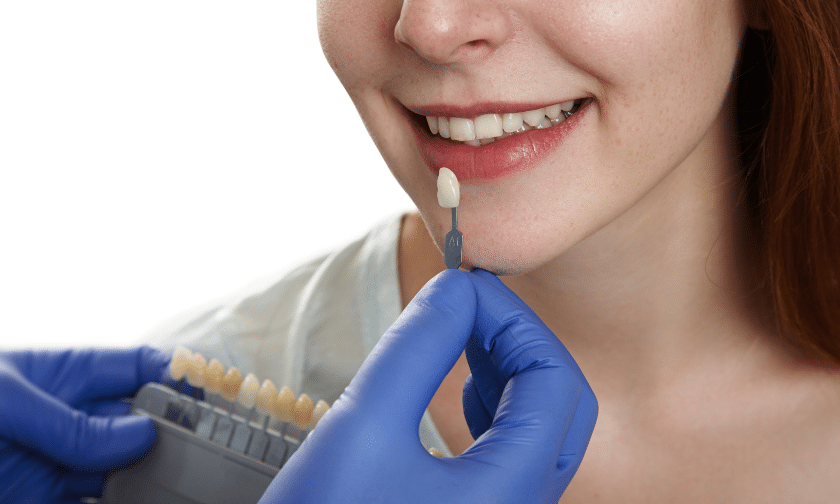
Tooth extraction can leave your mouth feeling sensitive and uncomfortable. But don’t worry – there are a few simple steps you can take to ensure that your oral health is fully maintained after the procedure. Read on for our ultimate guide to maintaining your oral health after a tooth extraction, so you can get back to enjoying life with a healthy smile!
What is a Tooth Extraction?
After a tooth extraction, it’s important to take care of your mouth and teeth to avoid infection and promote healing. Here are some things you can do to maintain your oral health after a tooth extraction:
-Gently rinse your mouth with warm salt water starting the day after your procedure. Do this several times a day for the first week.
-Be careful not to disturb the blood clot that forms in the socket where your tooth was removed. This clot helps protect the bone and nerve endings in the area. Avoid rinsing, spitting, or using a straw for at least 24 hours after your tooth is extracted.
-To reduce swelling, apply a cold compress to the outside of your cheek for 20 minutes at a time. Do this for the first few days after your procedure.
-Take pain medication as needed and follow any other instructions from your dentist or oral surgeon.
-Eat soft foods for a few days while your mouth heals. Avoid hard, crunchy, or chewy foods that can irritate the extraction site.
-Brush and floss carefully around the extraction site and be gentle when brushing your teeth overall while you heal.
Post-Extraction Care
After having a tooth extracted, it is important to take care of the empty socket. Here are some tips for post-extraction care:
-Do not drink through a straw for at least 24 hours after the extraction.
-Do not smoke for at least 72 hours.
-Avoid eating hard or crunchy foods for a few days.
-Gently rinse your mouth with warm salt water starting the day after the extraction.
-Be sure to brush and floss your teeth as usual, being careful not to irritate the extraction site.
Types of Tooth Extractions
There are two main types of tooth extractions: simple and surgical. Simple extractions are also called “pulling”, “releasing” or “sliding out”. They are performed on teeth that are visible in the mouth and can be easily accessed by the dentist. Surgical extractions are more complex procedures that are used to remove teeth that are not easily accessible, such as impacted wisdom teeth.
The first step in any extraction is numbing the area around the tooth with a local anesthetic. Once the tooth is numb, the dentist will use a tool called an elevator to loosen the tooth from its socket. Once the tooth is loose, it can be removed with forceps.
In some cases, a small incision may need to be made in order to access an impacted tooth. In these cases, the gum tissue will be lifted and held back with sutures before the tooth is extracted. After the extraction, the area will be closed with stitches and a gauze pad will be placed over it to help stop any bleeding.
Pros and Cons of a Tooth Extraction
When it comes to deciding whether or not to have a tooth extraction, there are a few things you need to weigh out. Here are the pros and cons of getting a tooth pulled:
Pros:
-Relief from pain or infection
-Prevents damage to other teeth
-Can improve your smile and self-confidence
Cons:
-Risk of complications (bleeding, infection)
-Temporary discomfort and swelling after the procedure
-Need for replacement tooth (denture, implant, bridge)
How to Maintain Good Oral Hygiene After an Extraction
It is essential to take care of your teeth and gums after an extraction. Here are a few tips on how to maintain good oral hygiene:
1. Brush your teeth twice a day with a soft-bristled toothbrush. Be sure to brush gently, as your gums may be sensitive.
2. Floss your teeth at least once a day, using gentle motions.
3. Use an antibacterial mouthwash to help keep your mouth clean and free of bacteria.
4. Avoid smoking, as it can contribute to dry socket (a condition where the blood clot that forms in the extraction site becomes dislodged).
5. Eat healthy foods and avoid sugary snacks or drinks, as they can promote tooth decay.
6. See your dentist for regular checkups and cleanings, even after your extraction has healed.
Home Remedies for Pain Relief
There are a few things you can do at home to help ease the pain and discomfort after having a tooth extracted. First, try rinsing your mouth with a salt water solution several times a day. This will help to keep the area clean and free of infection. You can also take over-the-counter pain medication such as ibuprofen to help with any pain and swelling. Finally, be sure to eat soft foods and avoid chewing directly on the extraction site. With proper care, your mouth should heal quickly and without any complications.
When to Seek Professional Help
If your oral health is not improving after a tooth extraction, it is important to seek professional help. Your dentist or oral surgeon can determine if you have an infection and recommend the best course of treatment.
Conclusion
A tooth extraction is a major procedure, but you can rest assured that proper aftercare and maintenance are key to successful recovery. By following the tips outlined in this guide, you can keep your mouth healthy and ensure that your extracted teeth heal properly without any further complications. With proper oral hygiene habits and regular visits to your dentist for check-ups, your smile will remain healthy long after the extraction is complete.
Recent Posts
April 29, 2026
Signs of Gum Problems & When to Visit a Dentist
April 22, 2026
What Should I Do If I Experience Tooth Sensitivity After Whitening?

April 16, 2026
Why Every Family Should Consider Having a Pediatric Dentist
April 7, 2026
Can You Go To The Dentist With a Cold Sore?

April 7, 2026

