New Patients Welcome!

What Should I Do If I Experience Tooth Sensitivity After Whitening?
April 22, 2026
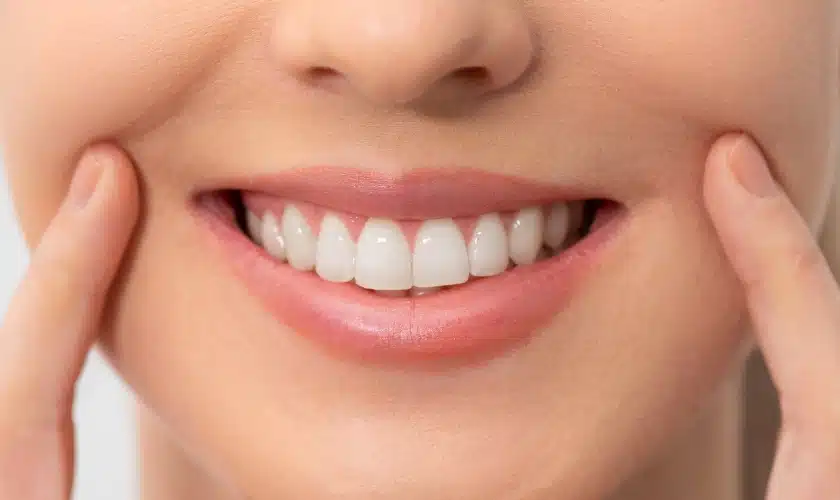
A brighter smile can boost your confidence, but some patients notice temporary tooth sensitivity after a teeth whitening treatment. If you’re experiencing discomfort, you’re not alone. Tooth sensitivity is one of the most common side effects of whitening, and in most cases, it fades within a few days.
Understanding why this happens and how to manage it can help you stay comfortable while enjoying your results.
Why Does Tooth Sensitivity Happen After Whitening?
Teeth whitening works by using active ingredients like hydrogen peroxide or carbamide peroxide to break down stains beneath the enamel. While effective, these ingredients can temporarily expose the tiny tubules in your dentin layer, making your teeth more sensitive to hot, cold, or sweet stimuli.
This doesn’t mean anything is wrong; it simply means your teeth are reacting to the whitening process. For most people, this sensitivity is mild and short-lived.
Common Symptoms You May Notice
After whitening, you may experience:
- A sharp, sudden discomfort when eating or drinking hot or cold foods
- Tingling sensations in one or more teeth
- Increased sensitivity to air or sweet foods
These symptoms typically peak within the first 24 to 48 hours and gradually improve.
What You Can Do to Reduce Sensitivity
If you’re feeling discomfort after your whitening procedure, there are several simple ways to manage it effectively.
First, consider switching to a toothpaste designed for sensitive teeth. These products contain ingredients that help block the transmission of sensation from the tooth surface to the nerve, providing relief over time.
You may also want to avoid very hot or cold foods and drinks for a few days. Choosing lukewarm options can help minimize discomfort while your teeth recover.
Another helpful step is to give your teeth a short break from whitening products if you’re using at-home kits. Overuse can increase sensitivity, so spacing out treatments allows your enamel to recover.
Maintaining good oral hygiene is also essential. Gentle brushing with a soft-bristled toothbrush and avoiding aggressive brushing techniques can prevent further irritation.
In some cases, your dentist may recommend fluoride treatments or desensitizing gels to strengthen enamel and reduce sensitivity more quickly.
How Long Does Sensitivity Last?
For most patients, sensitivity after a teeth whitening treatment is temporary. It typically subsides within a few days. However, if discomfort persists beyond a week or becomes severe, it’s important to visit our dental office for a professional evaluation.
Persistent sensitivity could indicate underlying issues such as enamel erosion, gum recession, or cavities that need attention.
Preventing Sensitivity in Future Whitening Treatments
If you’re planning future whitening sessions, there are ways to reduce the likelihood of sensitivity.
Using lower-concentration whitening products or shorter treatment times can make a big difference. Professional whitening performed under dental supervision is also a safer option, as it allows for customized treatment based on your specific needs.
Staying consistent with your dental checkups ensures your teeth and gums are healthy before undergoing any cosmetic procedure.
When to Contact Your Dentist
While mild sensitivity is normal, you should reach out to your dentist if:
- The pain is sharp and persistent
- Sensitivity lasts longer than a week
- You notice swelling or gum irritation
- The discomfort interferes with daily activities
Your dental provider can assess your condition and recommend the best course of action.
Personalized Care at Danville Family Dental
At Danville Family Dental, your comfort is always a priority. If you’re experiencing sensitivity after whitening or considering enhancing your smile, our team is here to help. We tailor every teeth whitening treatment to minimize side effects and maximize results.
Don’t let sensitivity hold you back from enjoying your smile. Book an appointment with us today and get expert guidance on safe, effective whitening solutions.
FAQs
1. Is tooth sensitivity after whitening normal?
Yes, it’s completely normal. Many patients experience temporary sensitivity after a teeth whitening treatment, and it usually resolves within a few days.
2. How can I quickly relieve sensitivity at home?
Using desensitizing toothpaste, avoiding extreme temperatures in food and drinks, and taking a break from whitening products can help reduce discomfort.
3. Should I stop whitening if my teeth feel sensitive?
If sensitivity becomes uncomfortable, it’s a good idea to pause treatment and allow your teeth to recover. You can also consult your dentist for guidance.
4. Can sensitive teeth mean my enamel is damaged?
Not necessarily. Temporary sensitivity is common and doesn’t always indicate damage. However, prolonged sensitivity should be evaluated by a dentist.
5. Are professional whitening treatments less likely to cause sensitivity?
Yes, professional treatments are customized and monitored, which helps reduce the risk of sensitivity compared to over-the-counter products.
6. When should I visit our dental office for sensitivity?
If your sensitivity lasts more than a week, worsens, or is accompanied by other symptoms like swelling, you should visit our dental office for a thorough checkup.
Recent Posts
April 22, 2026
What Should I Do If I Experience Tooth Sensitivity After Whitening?

April 16, 2026
Why Every Family Should Consider Having a Pediatric Dentist
April 7, 2026
Can You Go To The Dentist With a Cold Sore?
April 1, 2026
Top Teeth Whitening Techniques to Achieve a Radiant Smile Fast

March 27, 2026

