New Patients Welcome!

Teeth Whitening for Sensitive Teeth: How to Brighten Your Smile without Discomfort
July 10, 2023
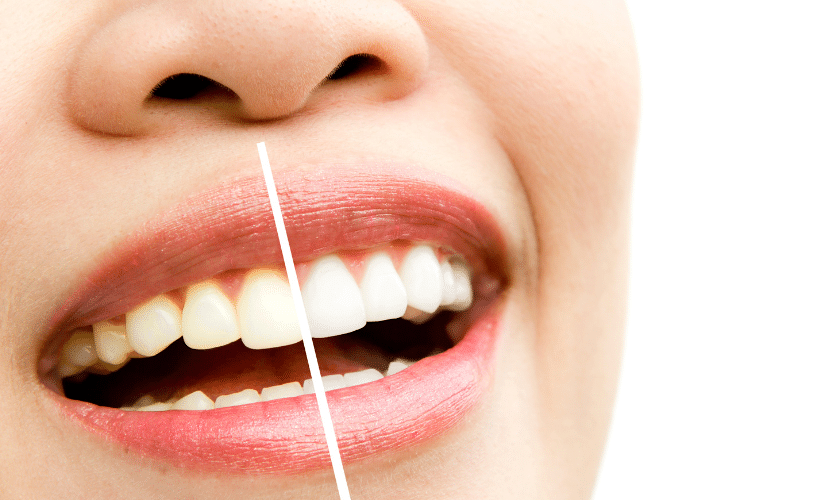
Having a bright and radiant smile is a confidence booster, but for those with sensitive teeth, the thought of teeth whitening may bring about concerns of discomfort. Fortunately, effective methods and techniques exist to achieve a whiter smile without compromising your dental sensitivity. In this blog post, we will explore the best practices and strategies for teeth whitening for individuals with sensitive teeth. From gentle whitening agents to specialized oral care routines, we have got you covered!
Understanding Sensitive Teeth
Sensitive teeth occur when the tooth enamel and underlying dentin become exposed, leading to discomfort when exposed to hot, cold, sweet, or acidic stimuli. Common causes of tooth sensitivity include enamel erosion, gum recession, tooth decay, and teeth grinding. It’s important to understand the root cause of your sensitivity before embarking on a teeth-whitening journey to ensure the best results.
Preparing for Teeth Whitening with Sensitivity in Mind
Before starting any teeth whitening treatment, it’s crucial to consult with a dental professional. They will assess the level of sensitivity and provide personalized recommendations. They may also address any underlying dental issues that need to be resolved before whitening. Additionally, your dentist can guide you in choosing the right teeth-whitening products specifically designed for sensitive teeth.
Gentle Teeth Whitening Methods for Sensitive Teeth
Natural remedies for teeth whitening:
-Baking soda and hydrogen peroxide paste: Create a paste by mixing these two ingredients and gently brush your teeth with it. Rinse thoroughly afterwards.
-Coconut oil pulling technique: Swishing coconut oil in your mouth for 10-15 minutes daily can help reduce plaque and promote a brighter smile.
Low-concentration whitening gels and strips:
-Opt for teeth-whitening gels or strips with low concentrations of bleaching agents. These products are milder and less likely to cause sensitivity.
-Follow the instructions carefully to ensure safe and effective use. It’s recommended to start with shorter sessions and gradually increase the duration as your teeth adjust.
Laser teeth whitening with reduced sensitivity:
-Laser whitening is a popular option for those with sensitive teeth as it minimizes the contact of bleaching agents with the teeth. The laser activates the whitening gel, resulting in a faster and more controlled process.
-Look for dental clinics that specialize in gentle laser teeth whitening procedures.
Essential Oral Care Routine for Sensitive Teeth Whitening Maintaining a proper oral care routine is crucial for individuals with sensitive teeth.
Consider the following tips:
-Choose a soft-bristled toothbrush and sensitivity-friendly toothpaste that contains ingredients like potassium nitrate or stannous fluoride, which help reduce sensitivity.
-Brush gently using circular motions and avoid aggressive scrubbing.
-Incorporate desensitizing toothpaste and mouthwash into your routine to help alleviate sensitivity over time.
-Don’t forget to floss daily to remove plaque and debris from between your teeth.
Tips for Minimizing Discomfort During Teeth Whitening To minimize discomfort during teeth whitening, consider the following information:
-Adopt a gradual whitening approach by spacing out your whitening sessions.
-Pay attention to the timing and duration of your whitening sessions. Follow the instructions provided with the product and avoid overusing the whitening agents.
-Consider using desensitizing gels or rinses before and after whitening to help reduce sensitivity.
-Avoid triggers that may exacerbate sensitivity, such as extremely hot or cold foods and beverages.
Post-Whitening Care for Sensitive Teeth To maintain your newly whitened smile and minimize sensitivity:
-Stay hydrated and limit the consumption of acidic beverages like soda and citrus juices.
-When drinking such beverages, use a straw to minimize contact with your teeth.
-Regularly schedule dental check-ups and professional cleanings to monitor your oral health and address any concerns
-Follow a long-term maintenance strategy that includes proper oral hygiene practices, such as brushing and flossing, and using sensitivity-friendly oral care products.
Conclusion:
Don’t let teeth sensitivity hinder your journey to a brighter smile! By following the proper techniques and using sensitivity-friendly teeth whitening methods, you can achieve the results you desire without discomfort. Remember to consult with your dentist to ensure a personalized approach and maintain a proper oral care routine. With the right knowledge and care, you can confidently embrace teeth whitening and showcase your beautiful, sensitive-free smile to the world!
Recent Posts

May 15, 2026
Teeth Whitening for Special Occasions: Achieving a Bright Smile for Events and Photos
April 29, 2026
Signs of Gum Problems & When to Visit a Dentist
April 22, 2026
What Should I Do If I Experience Tooth Sensitivity After Whitening?

April 16, 2026
Why Every Family Should Consider Having a Pediatric Dentist
April 7, 2026

