New Patients Welcome!

Is Bone Grafting Necessary Before Getting Dental Implants?
January 28, 2026
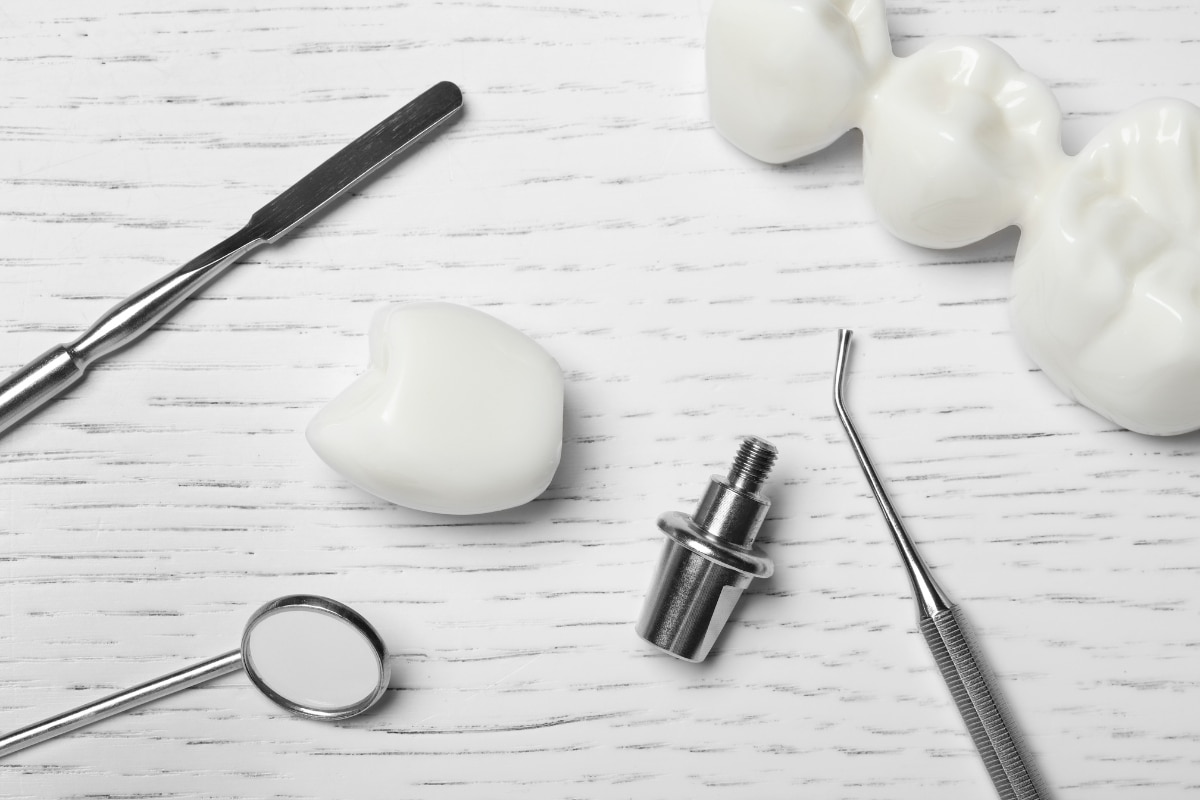
Dental implants have revolutionized modern dentistry, providing a durable and natural-looking solution for missing teeth. However, a common question patients often ask is whether bone grafting is necessary before getting dental implants. This article delves into the necessity of bone grafting, helping you understand when it might be needed and what alternatives are available.
What Are Dental Implants?
Dental implants are artificial tooth roots placed into the jawbone to support a replacement tooth or bridge. They consist of a titanium post that fuses with the jawbone through a process called osseointegration. Implants offer a permanent solution to tooth loss, mimicking the look and feel of natural teeth.
How Do Dental Implants Work?
Dental implants work by integrating with the jawbone, creating a stable base for the replacement teeth. This integration process ensures that the implants function just like natural tooth roots, allowing for a strong and reliable foundation for your new teeth.
The Role of Bone Grafting
What Is Bone Grafting?
Bone grafting is a surgical procedure that involves adding bone or bone-like material to the jawbone. The goal is to create a solid foundation for dental implants if the existing bone is insufficient. This procedure may involve using natural bone from the patient, synthetic materials, or bone from a donor.
Why Might Bone Grafting Be Required?
Bone grafting may be required when the jawbone lacks sufficient density or volume to support dental implants. This deficiency can result from various factors, including bone loss due to gum disease, trauma, or the natural process of aging.
Indicators That Bone Grafting May Be Needed
Insufficient Bone Density
One of the primary reasons for bone grafting is insufficient bone density. When the jawbone is too thin or weak, it cannot support the dental implants effectively. This condition is often diagnosed through imaging studies conducted by your local dentist.
Bone Loss Due to Gum Disease or Trauma
Gum disease and trauma can lead to bone loss in the jaw. If you’ve experienced significant bone loss due to these conditions, bone grafting may be necessary to rebuild the bone structure and ensure successful implant placement.
The Bone Grafting Procedure
Types of Bone Grafting
There are several types of bone grafting procedures, including:
- Autografts: Bone taken from your own body.
- Allografts: Bone sourced from a donor.
- Xenografts: Bone derived from animals, usually bovine.
- Alloplasts: Synthetic bone materials.
The Process of Bone Grafting
The bone grafting procedure typically involves several steps:
- Assessment and Planning: Your dentist evaluates your bone structure and determines the need for grafting.
- Graft Placement: The graft material is placed in the jawbone and secured.
- Healing Period: The graft material integrates with the existing bone over a few months.
- Implant Placement: Once the graft has fully integrated, dental implants can be placed.
Alternatives to Bone Grafting
Bone Regeneration Techniques
For some patients, bone regeneration techniques might be an option. These methods stimulate the body’s natural ability to regenerate bone without the need for traditional grafting.
Advanced Implant Technologies
Advances in implant technology, such as shorter implants or implants with special surface treatments, can sometimes eliminate the need for bone grafting by providing better integration with limited bone.
Benefits of Bone Grafting
Improved Implant Stability
Bone grafting enhances the stability of dental implants, ensuring they remain firmly in place and function optimally.
Enhanced Aesthetic Results
A well-integrated bone graft provides a stable base for the implants, leading to more natural-looking and aesthetically pleasing results.
Risks and Considerations
Potential Risks of Bone Grafting
While bone grafting is generally safe, it carries some risks, such as infection, graft rejection, or complications related to the surgical procedure. Consulting with a skilled dentist can help minimize these risks.
Considerations Before the Procedure
Before undergoing bone grafting, consider factors such as your overall health, the condition of your jawbone, and any potential underlying issues that could affect the outcome.
Post-Procedure Care
Recovery Timeline
Recovery from bone grafting can take several months, during which time the graft integrates with your existing bone. Your dentist will provide specific instructions to ensure a smooth recovery.
Tips for Optimal Healing
Follow your dentist’s recommendations for post-procedure care, including maintaining oral hygiene, avoiding hard or sticky foods, and attending follow-up appointments to monitor your healing progress.
Conclusion
Bone grafting is often a crucial step in the dental implant process, especially if you have insufficient jawbone density. By understanding the role of bone grafting, you can make informed decisions about your dental health. Visit with your local dentist to determine the best approach for your individual needs and ensure the best possible outcome for your dental implants.
Recent Posts

May 15, 2026
Teeth Whitening for Special Occasions: Achieving a Bright Smile for Events and Photos

April 29, 2026
Signs of Gum Problems & When to Visit a Dentist

April 22, 2026
What Should I Do If I Experience Tooth Sensitivity After Whitening?

April 16, 2026
Why Every Family Should Consider Having a Pediatric Dentist

April 7, 2026

