New Patients Welcome!

Understanding Tooth Sensitivity — Why It Happens and How to Fix It
November 25, 2025
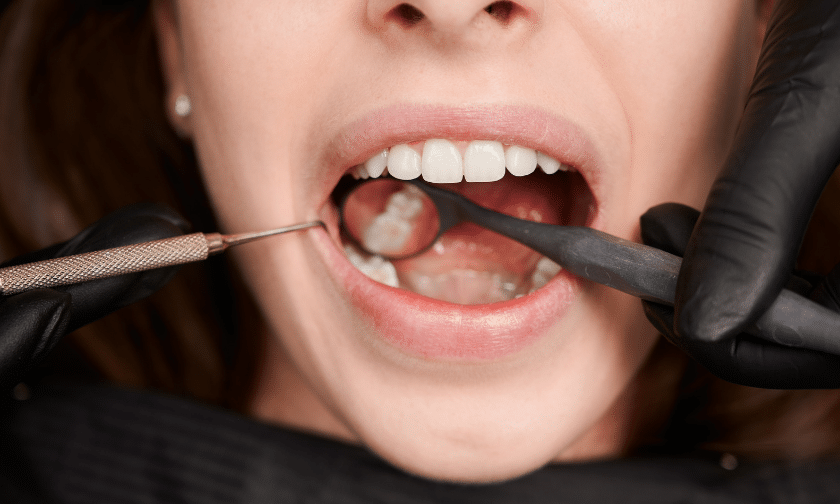
Tooth sensitivity — that sudden twinge or sharp pain when you sip cold water, bite into ice cream, or even brush gently — affects many people. But it’s not inevitable. Most of the time, sensitivity is a warning sign that the protective layers of your teeth — enamel or gums — are compromised. Understanding its causes and what a Danville dentist can do can help you get effective relief and avoid future discomfort.
What Is Tooth Sensitivity?
Teeth have an outer protective shell called enamel. Beneath that lies a more fragile layer called dentin, full of tiny tubules that lead directly to nerve endings. When enamel wears down, or gums recede, exposing the tooth root, those tubules become open paths — letting hot, cold, sweet, or acidic triggers reach the nerves and cause pain.
This makes your teeth more reactive to otherwise harmless stimuli. The result is a sudden, short-lived, but sharp sensation — often a warning of underlying issues.
Common Culprits Behind Tooth Sensitivity
Here are the most frequent reasons people experience sensitivity:
Enamel Wear and Tear
Over time — or due to certain habits — enamel can wear away, leaving dentin exposed. Aggressive brushing, using a hard-bristled toothbrush, or brushing too soon after consuming acidic foods or drinks are common contributors.
Gum Recession (Exposed Roots)
If gums start pulling away from teeth — due to aggressive brushing, gum disease, or natural aging — the root surfaces (which don’t have enamel) become exposed. These regions are very sensitive to temperature and touch.
Acidic or Sugary Diets
Frequent consumption of acidic foods and drinks (citrus fruits, soft drinks, pickles, fruit juices) wears down enamel over time. Similarly, high sugar intake encourages bacteria that produce enamel‑eating acids.
Teeth Grinding or Clenching (Bruxism)
Grinding or clenching — especially at night — puts extra pressure on teeth, gradually wearing down enamel. It can also cause small cracks or chips, which expose dentin and lead to sensitivity.
Cracks, Chips, or Worn Dental Work
A cracked tooth, chipped enamel, or even old fillings and crowns can allow irritants — heat, cold, bacteria — to seep in and affect the nerves inside.
Recent Dental Treatments
Procedures like professional cleaning, whitening, or new fillings may temporarily make teeth more sensitive, though this usually improves within days or weeks.
When to See a Dentist — and What They Can Do
Occasional mild sensitivity might not be alarming. But if sensitivity persists, worsens, or becomes painful even during daily activities, it’s time to visit our dental office. A dentist can assess the cause and recommend appropriate treatment.
Here are typical solutions a dentist might suggest:
- Desensitizing toothpaste or mouthwash: Special toothpastes contain compounds that block pain signals or help seal exposed dentin.
- Professional fluoride treatments: Fluoride varnish or gels help re‑strengthen enamel and smooth out microscopic roughness, reducing sensitivity.
- Dental bonding or sealants: For receding gums or exposed roots, dentists can apply a tooth‑colored resin or sealant to cover and protect vulnerable surfaces.
- Gum grafting (in severe gum recession): When gum tissue has been lost significantly, a graft can restore coverage over exposed root surfaces.
- Mouthguards for bruxism: If grinding or clenching is contributing, a custom night guard helps reduce enamel wear — protecting teeth long-term.
- Other procedures (fillings, root canals): For deep decay, cracks, or damaged fillings, repairing the tooth or removing infected pulp may be necessary.
If your sensitivity persists or worsens, don’t wait — book an appointment today to safeguard your smile.
Preventive Tips — Keep Teeth Strong and Sensitivity-Free
Prevention is often more effective (and less expensive) than treatment. Here’s what you can do:
- Use a soft-bristled toothbrush and gentle strokes — avoid forceful scrubbing.
- Be mindful of acidic foods and drinks — limit citrus, pickles, and soda. When you do consume them, rinse your mouth with water and wait before brushing.
- Brush and floss regularly — to prevent plaque, tartar, cavities, and gum disease.
- Use fluoride toothpaste or mouthwash — fluoride helps rebuild enamel and protect against sensitivity.
- Avoid teeth grinding or clenching — if you suspect bruxism, consider a mouthguard or discuss stress-management and nighttime habits with your dentist.
Final Thoughts: You Don’t Have to Live with Tooth Sensitivity
Tooth sensitivity isn’t just a nuisance — it’s a warning. With proper oral hygiene, gentle habits, a mindful diet, and timely dental care, you can significantly reduce — or even eliminate — sensitivity. When it does occur, a qualified dentist can pinpoint the cause and recommend the right remedy — whether that’s desensitizing toothpaste, bonding, or gum grafting.
If you’ve been wincing every time you enjoy ice-cold water or hot soup, don’t just power through. Visit our dental office and take the first step toward comfort and long-term oral health. Book an appointment today for a personalized evaluation.
Recent Posts

May 15, 2026
Teeth Whitening for Special Occasions: Achieving a Bright Smile for Events and Photos
April 29, 2026
Signs of Gum Problems & When to Visit a Dentist
April 22, 2026
What Should I Do If I Experience Tooth Sensitivity After Whitening?

April 16, 2026
Why Every Family Should Consider Having a Pediatric Dentist
April 7, 2026

