New Patients Welcome!

How Sedation Dentistry Can Make Long Procedures More Comfortable
August 14, 2025
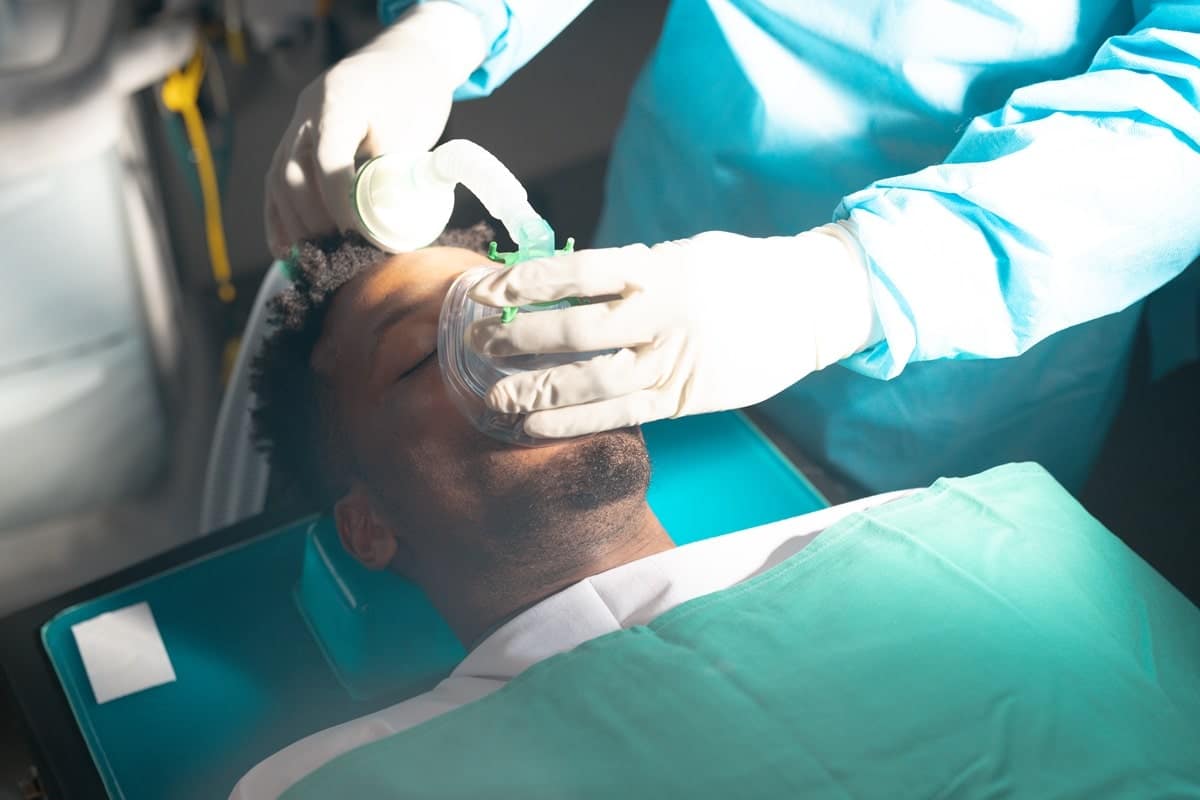
For many people, the thought of a long dental procedure can be a source of significant anxiety. Whether it’s a multi-hour appointment for dental implants, a complex root canal, or multiple extractions, the prospect of being in the dental chair for an extended period is daunting. Fortunately, sedation dentistry offers a solution, transforming these potentially stressful experiences into comfortable and calm ones. By using medication to help you relax, sedation dentistry allows patients to receive the extensive care they need without the fear or discomfort that often accompanies it.
What Is Sedation Dentistry?
Sedation dentistry involves using medication to help patients relax during dental procedures. It’s often referred to as “conscious sedation” or “twilight sleep” because, unlike general anesthesia, you remain awake and responsive. You’ll be in a deeply relaxed state, where the sounds, sights, and sensations of the dental office fade into the background. This not only makes you more comfortable but also allows your dentist to work more efficiently, often completing more work in a single visit.
Types of Sedation for Extended Procedures
Dentists use a range of sedation methods, each with a different level of effect. The best option for a long procedure depends on your level of anxiety, the complexity of the treatment, and your overall health.
- Oral Sedation: This is a popular option for moderate anxiety. You’ll take a pill, such as a benzodiazepine, about an hour before your appointment. The medication makes you feel drowsy and very relaxed. You’ll be conscious but may feel so calm that you doze off. A major benefit of oral sedation is that it can create a temporary amnesia effect, meaning you’ll have little to no memory of the procedure itself, which is a huge relief for those with a history of dental trauma.
- IV Sedation: Administered intravenously, this is the deepest form of conscious sedation. The medication is delivered directly into your bloodstream, providing a fast and highly controllable effect. The dentist or a trained anesthesiologist can adjust the dosage throughout the procedure to maintain the perfect level of relaxation. IV sedation is often chosen for more complex or lengthy procedures, such as wisdom teeth removal or full-mouth restorations. Like oral sedation, it typically results in partial or full memory loss of the appointment.
- Nitrous Oxide (Laughing Gas): While a milder form of sedation, nitrous oxide is still very effective for making long procedures feel shorter and more comfortable. Inhaled through a mask, it produces a feeling of euphoria and relaxation almost immediately. The dentist can easily adjust the flow, and once the mask is removed, the effects wear off within minutes. This means you can often drive yourself home and resume your daily activities right away.
The Benefits of Sedation for Long Procedures
Sedation dentistry isn’t just about reducing anxiety; it offers a host of practical benefits that are especially valuable for extensive dental work:
- Enhanced Comfort and Pain Control: Even with local anesthesia, long procedures can lead to physical discomfort from holding your mouth open or lying still for an extended time. Sedation helps your body relax, reducing physical tension and a strong gag reflex. This allows the dentist to work without interruption, leading to a smoother experience.
- Efficiency and Fewer Appointments: When you are relaxed and cooperative, your dentist can work more quickly and effectively. Sedation allows for the completion of multiple treatments in a single, longer visit, which can save you time, money, and the stress of repeated appointments.
- Amnesia Effect: For patients with severe dental phobia or a history of bad experiences, not remembering the procedure is a major advantage. Sedation can erase the memory of the treatment, helping to break the cycle of fear and avoidance.
- Allows Patients to Receive Necessary Care: For many, the fear of long and complex dental work is so great that they simply avoid it altogether. This can lead to worsening oral health issues. Sedation dentistry makes it possible for these patients to get the essential treatment they need, preventing minor problems from becoming major ones.
Is Sedation Dentistry Safe?
When performed by a qualified and trained dental professional, sedation dentistry is extremely safe. Before any procedure, your dentist will conduct a thorough medical history review to ensure you are a good candidate. Throughout the appointment, your vital signs—such as heart rate, blood pressure, and oxygen levels—are carefully monitored. Dentists follow strict guidelines to ensure your safety and comfort at every stage.
What to Expect After the Procedure
Recovery varies depending on the type of sedation used. If you had oral or IV sedation, you will feel groggy and will need a friend or family member to drive you home. It’s crucial to rest for the remainder of the day, avoiding any strenuous activity or operating heavy machinery. Nitrous oxide, on the other hand, wears off so quickly that you can often drive yourself home.
Ultimately, sedation dentistry is a powerful tool that makes modern dental care accessible and stress-free for everyone. By calming your mind and body, you turn what was once a feared marathon into a comfortable and manageable experience. If you’re considering sedation for your next treatment, we encourage you to visit our dental office to discuss your options. To find out more about how we can help make your dental experience more comfortable, you can also book an appointment directly through our website.
Recent Posts
April 29, 2026
Signs of Gum Problems & When to Visit a Dentist
April 22, 2026
What Should I Do If I Experience Tooth Sensitivity After Whitening?

April 16, 2026
Why Every Family Should Consider Having a Pediatric Dentist

April 7, 2026
Can You Go To The Dentist With a Cold Sore?

April 7, 2026

