New Patients Welcome!

What Are The 3 Types Of Dental Implants?
May 13, 2025
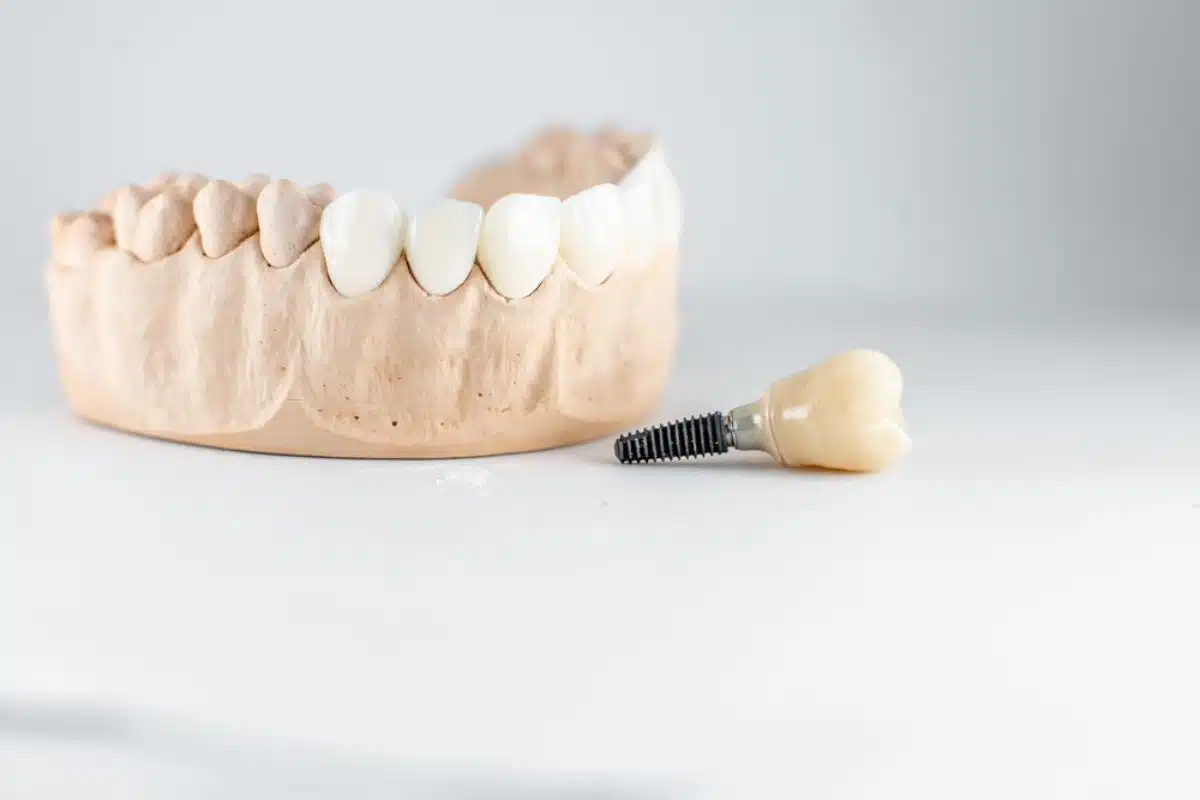
Losing a tooth can feel like a significant setback, affecting your smile, confidence, and ability to enjoy your favorite foods. Thankfully, modern dentistry offers a fantastic solution: dental implants. These artificial tooth roots provide a stable foundation for replacement teeth, looking and functioning like your natural ones. But did you know there isn’t just one type of dental implant? Let’s explore the three main categories to help you better understand your options. If you’re considering dental implants in Danville, we encourage you to learn more about the possibilities.
1. Endosteal Implants: The Most Common Choice
Think of endosteal implants as the workhorses of the dental implant world. “Endosteal” literally means “within the bone,” precisely where these implants are placed. They are surgically inserted directly into your jawbone, acting as a sturdy anchor for a crown, bridge, or even a complete denture.
What They Look Like: Endosteal implants typically resemble small screws, cylinders, or blades made from biocompatible materials like titanium or titanium alloys. The body tolerates these materials well, and they have a remarkable ability to fuse with the surrounding bone through a process called osseointegration. This fusion is what makes endosteal implants so strong and stable.
The Procedure: Placing an endosteal implant usually involves a few steps. First, your dentist or oral surgeon will conduct a thorough examination, including X-rays or CT scans, to assess your jawbone density and determine the best location for the implant. The procedure itself involves surgically placing the implant into the bone. After a healing period, which can last several months, an abutment (a small connector post) is attached to the implant. Finally, the custom-made artificial tooth (crown, bridge, or denture) is secured to the abutment. Please visit our dental office for a consultation to discuss whether this option is right for you.
Why Choose Endosteal?: Endosteal implants are a versatile and highly successful option for most patients with sufficient jawbone density. They offer excellent stability, a natural look and feel, and can last many years with proper care. They can replace single missing teeth, multiple teeth, or even support an entire arch of replacement teeth.
2. Subperiosteal Implants: An Alternative When Bone is Limited
“Subperiosteal” means “under the periosteum,” the membrane covering the bone. Unlike endosteal implants, which go into the bone, subperiosteal implants rest on top of the jawbone but underneath the gum tissue. They consist of a custom-made metal framework placed over the bone. Posts protrude through the gums, providing anchors for the artificial teeth.
When Are They Used?: Subperiosteal implants are often considered for patients who don’t have enough healthy jawbone to support endosteal implants and are not good candidates for bone grafting procedures (where bone is added to the jaw). This might be due to significant bone loss from periodontal disease, injury, or other factors.
The Procedure: Placing a subperiosteal implant typically involves two surgical procedures. First, the dentist or surgeon exposes the jawbone and takes an impression. This impression is then used to create the custom metal framework. The framework is placed over the jawbone in the second surgery, and the gum tissue is closed around the posts. Once the gums have healed, the artificial teeth can be attached to these posts.
Benefits of Subperiosteal Implants: Subperiosteal implants offer a viable alternative to traditional implants for individuals with insufficient bone density. They avoid extensive bone grafting and can provide a stable base for dentures or bridges. If you think subperiosteal implants might be an option for you, please book an appointment to explore this further.
3. Zygomatic Implants: A Specialized Solution for the Upper Jaw
Zygomatic implants are a more specialized type used primarily in the upper jaw when there has been significant bone loss, particularly in the back (posterior) region. These implants are longer than traditional endosteal implants and are anchored into the zygomatic bone, the cheekbone.
Why the Cheekbone? The zygomatic bone is typically denser and less prone to resorption (bone loss) than the upper jawbone. By anchoring implants here, dentists can bypass the need for complex and lengthy bone grafting procedures in patients with severe bone loss.
The Procedure: Placing zygomatic implants is a more complex surgical procedure that usually requires the expertise of an oral and maxillofacial surgeon. The long implants are inserted at an angle, extending from the upper jawbone into the cheekbone. Artificial teeth, often a full arch bridge, can sometimes be attached to the implants on the same day or shortly after the surgery.
Advantages of Zygomatic Implants: Zygomatic implants offer a significant advantage for patients with severe upper jawbone loss. They can provide a stable and immediate solution for restoring their smile and function without extensive bone grafting and prolonged healing times.
Choosing the Right Implant for You
The best type of dental implant for you will depend on several factors, including your needs, the amount and quality of your jawbone, the location of the missing teeth, and your overall health. A thorough consultation with your dentist or oral surgeon is crucial to determine the most suitable option and create a personalized treatment plan to help you achieve a healthy and confident smile. Don’t hesitate to ask questions and explore all the possibilities, especially if you want dental implants.
Recent Posts

April 29, 2026
Signs of Gum Problems & When to Visit a Dentist

April 22, 2026
What Should I Do If I Experience Tooth Sensitivity After Whitening?

April 16, 2026
Why Every Family Should Consider Having a Pediatric Dentist

April 7, 2026
Can You Go To The Dentist With a Cold Sore?

April 7, 2026

