New Patients Welcome!

Rebuilding Your Smile with Dental Implants: Everything You Need to Know
December 18, 2025
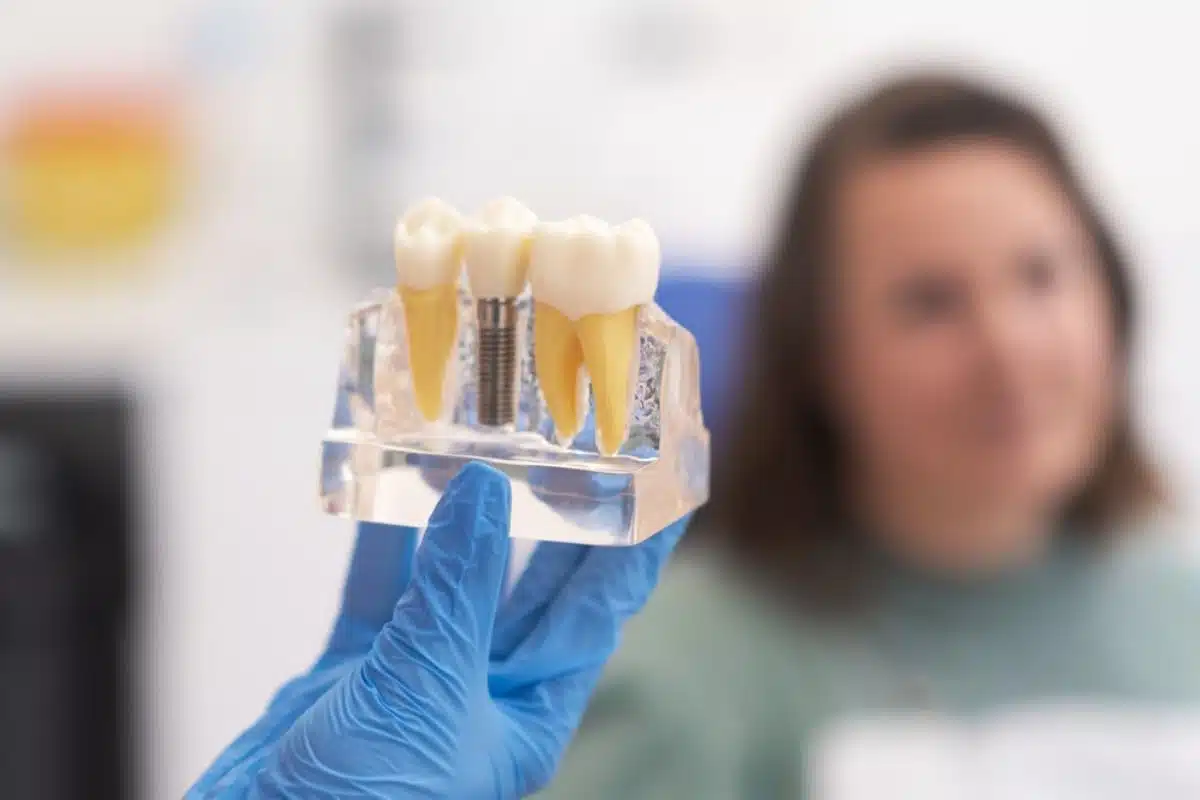
Tooth loss can affect far more than your appearance. Missing teeth can make eating uncomfortable, alter your speech, and gradually weaken your jawbone. Over time, this can change your facial structure and impact your overall oral health. Fortunately, modern dentistry offers a reliable and long-lasting solution. Dental implants are widely recognized as one of the most advanced ways to rebuild a damaged or incomplete smile while restoring strength, function, and confidence.
This guide explains how implants work, their benefits, the treatment process, and what you can expect long term, helping you make an informed decision about tooth replacement.
What Are Dental Implants?
Dental implants are artificial tooth roots, usually made of biocompatible titanium, that are surgically placed into the jawbone. Once healed, they serve as a secure foundation for replacement teeth such as crowns, bridges, or dentures. Unlike removable appliances, implants are fixed in place, meaning they do not shift, slip, or require adhesives.
Because implants integrate with the jawbone through a natural process called osseointegration, they closely mimic the structure of a natural tooth. This allows them to support everyday functions like chewing and speaking while maintaining a natural appearance.
Why Dental Implants Are Considered the Gold Standard
Natural Look and Feel
Implants are designed to look, feel, and function like real teeth. The custom restoration placed on top blends seamlessly with the surrounding teeth, making it difficult to tell the difference.
Long-Term Durability
With proper care, implants can last for decades. Their stability and strength make them a dependable solution for patients seeking a permanent tooth replacement option.
Jawbone Preservation
When a tooth is lost, the jawbone beneath it can begin to shrink. Implants stimulate the bone just like natural tooth roots, helping prevent bone loss and maintaining facial structure.
Improved Comfort and Confidence
Because implants are anchored in the jaw, they eliminate the discomfort and insecurity often associated with removable dentures. Patients can smile, laugh, and eat without worry.
Who Is a Good Candidate for Dental Implants?
Most adults who are missing one or more teeth can benefit from implant treatment. Ideal candidates generally have healthy gums, sufficient bone density, and good overall health. Even patients who have experienced bone loss may still qualify with preparatory treatments such as bone grafting.
A comprehensive evaluation by an experienced implant dentist is essential to determine candidacy. This assessment typically includes digital imaging, a review of medical history, and a discussion of your oral health goals.
Understanding the Dental Implant Process
Step 1: Consultation and Planning
Your treatment begins with a detailed consultation in which your dentist evaluates your oral health and designs a personalized treatment plan. This ensures the implant is placed in the optimal position for strength and aesthetics.
Step 2: Implant Placement
During the procedure, the titanium post is placed into the jawbone under local anesthesia. Sedation options may be available for comfort. Healing time varies, but osseointegration typically takes several months.
Step 3: Restoration
Once the implant has fully fused with the bone, a connector piece is attached, followed by a custom-made crown or restoration. This final step completes your smile and restores full function.
Caring for Your Dental Implants
Proper care is key to maintaining implant health and longevity. Fortunately, implants are cared for much like natural teeth. Daily brushing and flossing, combined with routine dental visits, help prevent complications such as inflammation around the implant.
Patients are also encouraged to avoid tobacco use, as smoking can interfere with healing and long-term success. Maintaining good oral hygiene habits ensures your implants remain strong and functional for years to come.
Cost and Value of Dental Implants
While implants often have a higher initial cost compared to bridges or dentures, they provide exceptional long-term value. Their durability reduces the need for frequent replacements, and their ability to preserve bone helps prevent future dental problems.
Insurance coverage varies, and some plans may cover portions of the procedure. Many dental practices offer flexible payment options, making implants more accessible for patients seeking a lasting solution.
Dental Implants vs. Other Tooth Replacement Options
Traditional bridges rely on adjacent teeth for support, which may require altering healthy tooth structure. Dentures, while effective for some patients, can shift and may contribute to ongoing bone loss. Implants stand apart by replacing the tooth root itself, offering unmatched stability and preserving surrounding structures.
Taking the Next Step Toward a Complete Smile
Choosing the right tooth replacement option is an important decision that impacts your comfort, appearance, and oral health. Dental implants provide a reliable, natural-looking solution that supports long-term wellness and confidence. If you are considering treatment, now is the perfect time to visit our dental office for a personalized consultation.
A complete, healthy smile can transform how you eat, speak, and feel every day. When you are ready to explore your options and begin your journey toward lasting results, book an appointment to take the first step toward restoring your smile.
Recent Posts

May 15, 2026
Teeth Whitening for Special Occasions: Achieving a Bright Smile for Events and Photos

April 29, 2026
Signs of Gum Problems & When to Visit a Dentist

April 22, 2026
What Should I Do If I Experience Tooth Sensitivity After Whitening?

April 16, 2026
Why Every Family Should Consider Having a Pediatric Dentist

April 7, 2026

