New Patients Welcome!

Unhealthy Smile and Bad Breath: What’s the Connection?
August 28, 2025
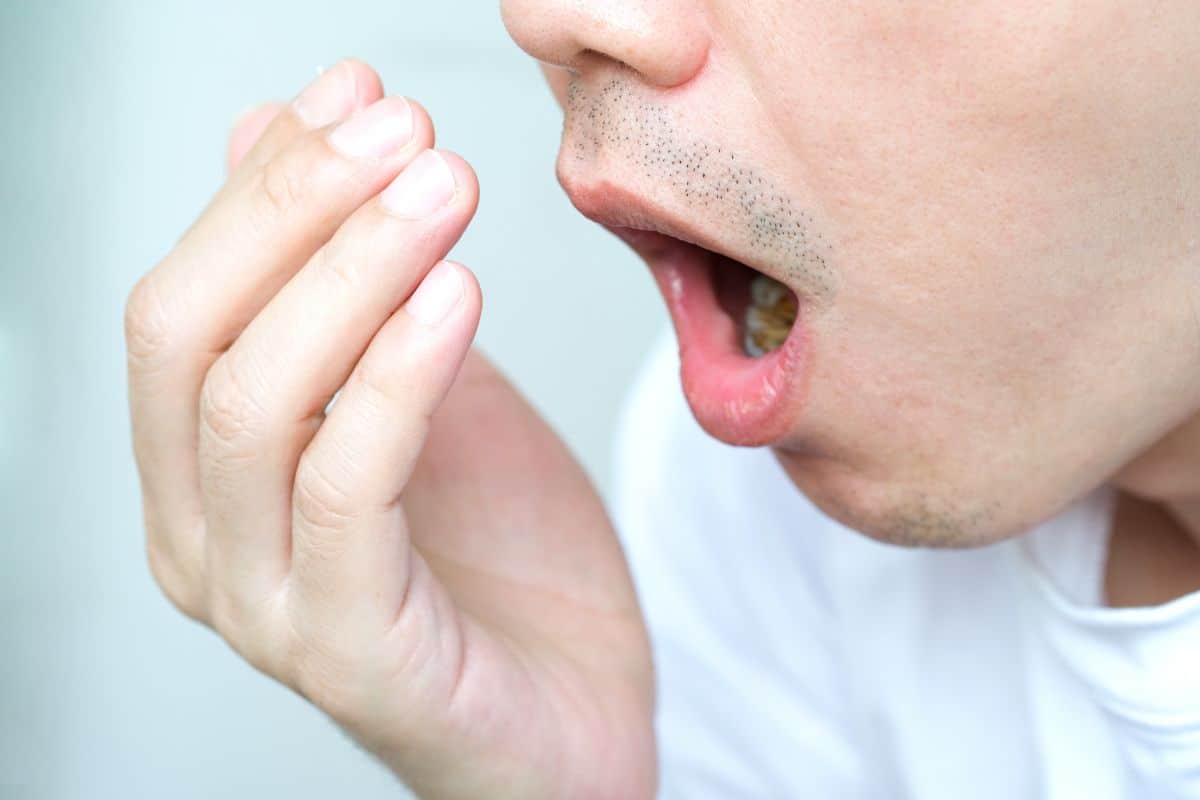
A healthy smile is more than just teeth—it reflects your overall oral health. When your smile doesn’t look or feel its best, one of the most common problems is persistent bad breath, also known as halitosis. If you’ve ever wondered how your oral health and breath are connected, this guide clearly explains.
What Do We Mean by an “Unhealthy Smile”?
An unhealthy smile typically refers to conditions affecting your teeth, gums, and oral environment. These can include:
- Tooth decay and cavities harbor bacteria.
- Gum disease (gingivitis or periodontitis) causes inflammation.
- Plaque and tartar buildup on teeth and gums.
- Cracked, chipped, or missing teeth that trap food particles.
While these issues may start small, if left untreated, they create the perfect environment for odor-causing bacteria to thrive—leading directly to bad breath.
Why Bad Breath Happens
Bad breath usually occurs when bacteria in your mouth break down leftover food particles. As they feed, they release sulfur compounds that foully smell. If your mouth is healthy, regular brushing, flossing, and saliva production usually control this process. But when oral health is compromised, bacteria multiply quickly, making the odor harder to mask.
The Connection Between an Unhealthy Smile and Bad Breath
1. Plaque and Tartar Buildup
Plaque is a sticky film of bacteria that coats your teeth. If not removed daily, it hardens into tartar, which can only be cleaned by a dentist. Plague and tartar create a rough surface where bacteria hide, leading to strong, persistent bad breath.
2. Gum Disease and Inflammation
Gingivitis and periodontitis are the two main stages of gum disease. They occur when bacteria infect the gum tissues. Chronic bad breath is one of the first signs, beyond red or swollen gums. That’s because the infection releases toxins and sulfurous bacteria, making your breath smell unpleasant.
3. Tooth Decay and Cavities
Cavities are small holes in your teeth caused by decay. These crevices become hiding spots for bacteria and leftover food. Even with brushing, reaching these areas is difficult, so odors linger afterward.
If you’ve noticed ongoing bad breath, tooth sensitivity, gum inflammation, or plaque buildup, it may be time to consult a dentist in Danville for a thorough check-up and treatment.
4. Dry Mouth (Xerostomia)
Saliva is nature’s mouthwash—it rinses away food particles and neutralizes acids. When you don’t produce enough saliva, your mouth dries out and don’tria multiply quickly. This is why morning breath, for example, worsens after sleeping with your mouth open. Chronic dry mouth often signals an unhealthy oral environment and contributes directly to halitosis.
5. Poor Dental Restorations
Old fillings, broken crowns, or poorly fitted dentures can also trap food and bacteria. Over time, these areas become breeding grounds for odor-causing microbes, further connecting dental health with breath quality.
How to Tell If Bad Breath Is Linked to Your Smile
It’s not always easy to know if your bad breath is a tarry issue (like after eating garlic) or a sign of poor oral health. Some warning signs that suggest the latter include:
- Bleeding gums while brushing or flossing.
- A white or yellow coating on your tongue.
- Loose teeth or a shifting bite.
- Pain when chewing or sensitivity to hot and cold foods.
- A bad taste in your mouth that doesn’t go away with rinsing.
If you notice these symptoms associated with bad breath, it’s time to visit our dental office for an exam and professional advice.
Tips to Improve Both Your Smile and Breath
The good news? By improving your oral health, you often eliminate bad breath at the same time. Here’s how:
- Brush twice daily with fluoride toothpaste. Here, so don’t forget your tongue.
- Floss once a day to remove food particles between teeth.
- Stay hydrated to avoid dry mouth and keep saliva flowing.
- Schedule professional cleanings every six months to remove tartar and check for cavities.
- Replace old restorations like crowns, fillings, or dentures if they’re loose or damaged.
- Eat a balanced diet low in sugar and high in crunchy fruits and vegetables that naturally scrub teeth.
When to Seek Professional Help
If you’ve maintained good oral hygiene but still struggle with bad breath, it could point to deeper oral health issues—or even medical concerns such as sinus infections, diabetes, or digestive problems. A dentist can perform an exam, diagnose the cause, and recommend the right treatment plan. Don’t wait—book an appointment to take control of your Don’te and breath.
Final Thoughts
Your smile and your breath are closely linked. An unhealthy smile—marked by plaque, gum disease, cavities, or poor dental work—creates the perfect environment for bacteria that cause persistent bad breath. The best solution is prevention through daily care and regular dental visits. By prioritizing your oral health, you’ll enjoy fresher breath and protect your teeth and gums for years to come.
Recent Posts

May 15, 2026
Teeth Whitening for Special Occasions: Achieving a Bright Smile for Events and Photos
April 29, 2026
Signs of Gum Problems & When to Visit a Dentist
April 22, 2026
What Should I Do If I Experience Tooth Sensitivity After Whitening?

April 16, 2026
Why Every Family Should Consider Having a Pediatric Dentist
April 7, 2026

