New Patients Welcome!

Why Do Dentists Not Recommend Baking Soda?
October 2, 2024
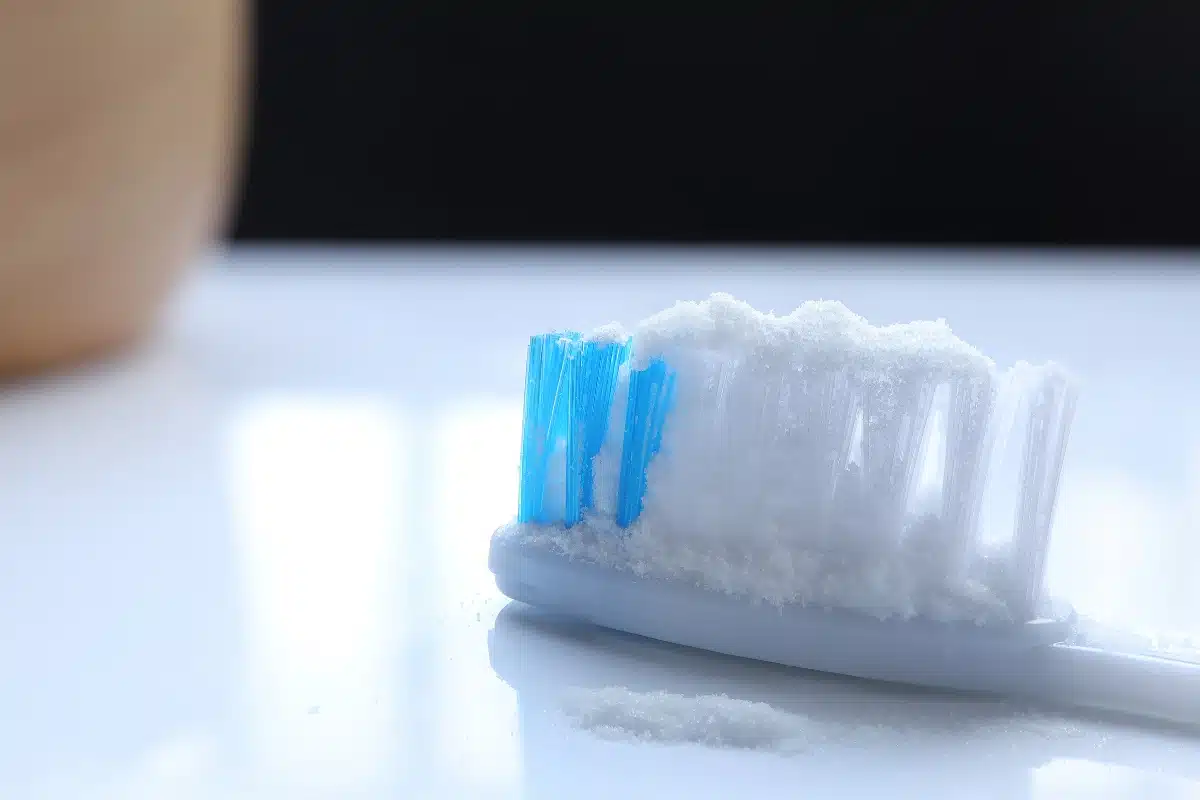
Baking soda has long been a household staple for a variety of purposes, including teeth whitening. Many people believe that baking soda is a natural, effective way to remove stains and brighten their smile. However, despite its popularity, dentists do not generally recommend using baking soda for teeth whitening. But why is that? Let’s dive into the reasons.
What Is Baking Soda?
Baking soda, or sodium bicarbonate, is a chemical compound known for its cleaning and deodorizing properties. It’s an alkaline substance, which means it can neutralize acids, making it a common ingredient in many household cleaning products.
Why People Use Baking Soda for Teeth Whitening
The appeal of using baking soda for teeth whitening largely comes from its natural and inexpensive nature. Many people feel that by using a natural substance, they’re avoiding harsh chemicals found in commercial products. Baking soda is seen as a gentle alternative for maintaining a white smile.
How Does Baking Soda Whiten Teeth?
Baking soda whitens teeth by physically scrubbing away surface stains. Its gritty texture acts as an abrasive, helping to remove discoloration caused by coffee, wine, or smoking. Additionally, its alkalinity can neutralize acids in the mouth, which may help prevent further staining.
Why Dentists Do Not Recommend Baking Soda
Despite its seemingly beneficial properties, dentists warn against using baking soda as a regular method for whitening your teeth. Here are the key reasons why:
Abrasiveness and Enamel Damage
Baking soda is abrasive. While it can help remove surface stains, it can also wear down your enamel over time. Enamel is the protective outer layer of your teeth, and once it’s damaged, it doesn’t regenerate. The constant scrubbing action of baking soda can thin out enamel, leading to increased sensitivity and a higher risk of cavities.
Does Not Protect Against Cavities
Unlike fluoride-based toothpastes, baking soda does not contain ingredients that strengthen your teeth or protect against cavities. Fluoride helps rebuild weakened enamel and provides a protective barrier against acids. Without this crucial ingredient, baking soda leaves your teeth vulnerable to decay.
Erosion of Tooth Structure
Excessive use of baking soda can lead to the erosion of your tooth structure. While you might notice an initial improvement in the whiteness of your teeth, the long-term effects can be harmful. Once your enamel is worn away, the underlying dentin (which is naturally yellow) becomes more visible, negating the whitening effects.
Potential Gum Irritation
Baking soda’s gritty texture can be irritating to your gums. Aggressive brushing with a baking soda mixture can lead to inflamed, bleeding gums, which not only affects your oral health but also your overall comfort.
Unreliable Results for Teeth Whitening
Baking soda is often touted as a teeth-whitening agent, but its results are inconsistent. While it may help remove surface stains, it doesn’t penetrate deeply enough to whiten teeth from within, which is where many stains reside. For deeper, more stubborn stains, baking soda simply doesn’t provide the desired effect.
Comparing Baking Soda to Professional Teeth Whitening
Professional teeth whitening treatments are designed to be both safe and effective. Dentists use carefully measured concentrations of whitening agents like hydrogen peroxide or carbamide peroxide to ensure results without damaging your enamel. These treatments provide long-lasting whitening, unlike the temporary and superficial results from baking soda.
Alternatives to Baking Soda for Teeth Whitening
If you’re looking for a natural way to brighten your smile without risking enamel damage, there are safer alternatives. Over-the-counter whitening toothpastes, strips, or trays are formulated with ingredients that gently remove stains without eroding your enamel. For the best results, professional whitening treatments offered by your dentist are always the safest option.
Risks of Overusing Baking Soda
While baking soda may seem harmless, overusing it can lead to serious dental issues. Common risks include:
- Increased Sensitivity: As enamel wears away, your teeth become more sensitive to hot, cold, and sweet foods.
- Long-term Enamel Damage: Continued use of an abrasive substance like baking soda can lead to irreversible enamel erosion.
- Discoloration: As your enamel thins, the yellowish dentin underneath becomes more visible, making your teeth appear dull and discolored.
The Importance of Consulting a Dentist
Before attempting any whitening treatment, it’s important to consult your dentist in Danville. They can evaluate your teeth and recommend a safe, effective solution for your needs. DIY methods like baking soda may seem tempting, but professional guidance ensures long-term oral health and safety.
How to Maintain White Teeth Safely
Regular Brushing and Flossing
Stick to brushing twice a day with fluoride toothpaste and flossing daily. These practices help keep surface stains at bay.
Avoiding Stain-Causing Foods
Reduce your intake of dark-colored drinks like coffee, tea, and red wine, which are notorious for causing stains.
Professional Teeth Cleanings
Regular dental checkups and professional cleanings help remove plaque and stains that regular brushing can’t address.
Conclusion
While baking soda may seem like a quick fix for teeth whitening, the risks far outweigh the benefits. Its abrasiveness can damage your enamel, it doesn’t protect against cavities, and its results are unreliable. For a safer and more effective way to whiten your teeth, always consult with a dental professional. Remember, your oral health is worth more than a temporary whitening trick.
Thank you for visiting our blog, and we look forward to being your trusted partner in achieving and maintaining a healthy, beautiful smile. If you have any questions or would like to schedule an appointment, please don’t hesitate to reach out to us at our dental office near you.
Recent Posts
April 29, 2026
Signs of Gum Problems & When to Visit a Dentist
April 22, 2026
What Should I Do If I Experience Tooth Sensitivity After Whitening?

April 16, 2026
Why Every Family Should Consider Having a Pediatric Dentist
April 7, 2026
Can You Go To The Dentist With a Cold Sore?
April 1, 2026

