New Patients Welcome!

Bleeding Gums After Brushing: Causes and Treatments
September 18, 2025
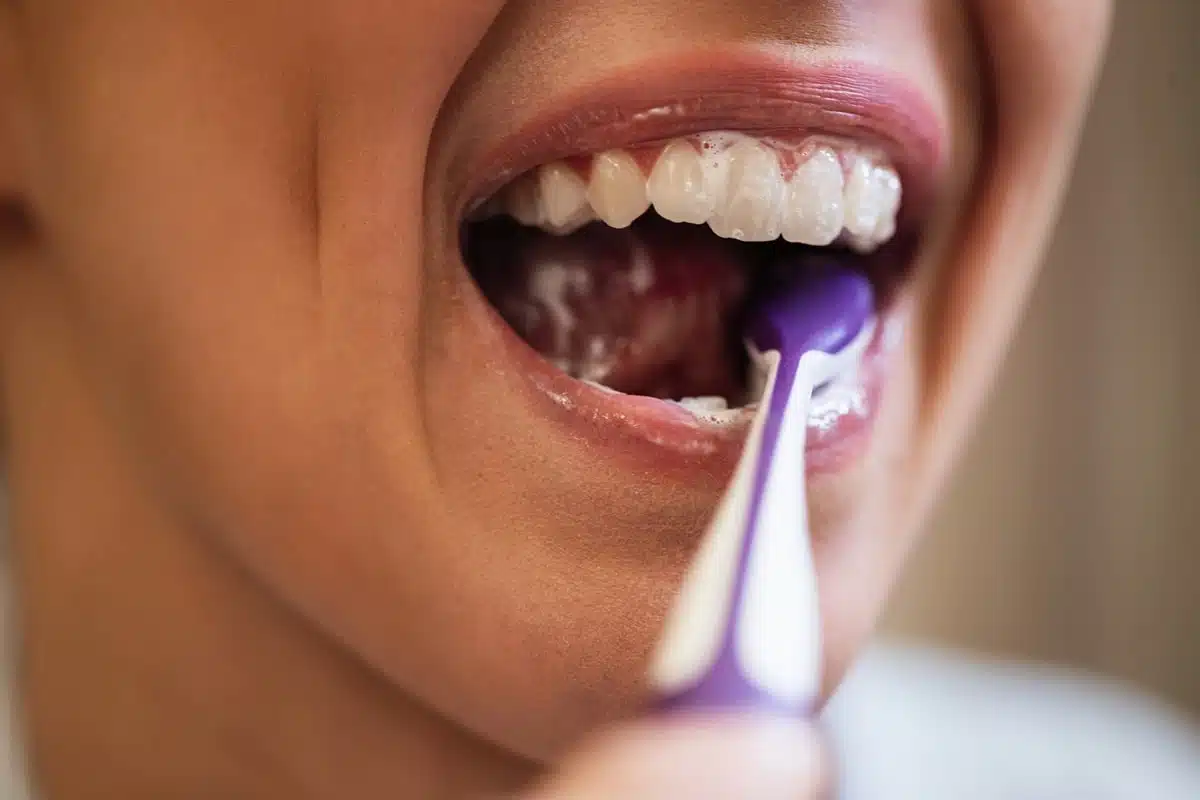
Have you ever noticed a little bit of pink in the sink after you’ve brushed your teeth? It can be alarming to see blood when you’re just trying to keep your mouth clean. While it might seem scary, bleeding gums after brushing is a common issue and a sign that something needs your attention.
Let’s dive into why this happens and what you can do to get your gums healthy and happy again.
Common Causes of Bleeding Gums
1. Gingivitis (Early Gum Disease)
This is the most frequent cause of bleeding gums. Gingivitis is an inflammation of the gums, and it happens when plaque—a sticky film of bacteria—builds up on your teeth, especially along the gum line. If you don’t remove this plaque with regular brushing and flossing, it can irritate your gums, making them red, swollen, and prone to bleeding.
2. Improper Brushing or Flossing Technique
Believe it or not, brushing too hard can cause your gums to bleed. A hard-bristled toothbrush or a “scrubbing” motion can be harsh on delicate gum tissue. On the other hand, not brushing enough can also lead to bleeding because of plaque buildup. Similarly, if you’ve just started flossing, your gums might bleed as they get used to the process. This usually stops after a week or so.
3. Certain Medical Conditions & Medications
Some health issues can make your gums more sensitive. For example, conditions like diabetes can affect gum health. Also, certain medications, like blood thinners, can increase the chances of bleeding. If you’ve recently started a new medication and noticed your gums are bleeding more, it’s a good idea to talk to your doctor.
4. Hormonal Changes
Changes in hormone levels can make your gums more sensitive and reactive to plaque. This is why many pregnant women experience “pregnancy gingivitis,” a condition that causes swollen, tender, and bleeding gums.
5. Vitamin Deficiencies
A lack of certain vitamins, especially Vitamin C and Vitamin K, can impact your body’s ability to heal and can make your gums more susceptible to bleeding.
Effective Treatments & Prevention
The good news is that bleeding gums are often treatable and preventable. Here’s what you can do:
1. Improve Your Brushing and Flossing Habits
- Switch to a Soft-Bristled Toothbrush: A soft-bristled toothbrush is gentle yet effective at removing plaque.
- Use the Right Technique: Hold your brush at a 45-degree angle to your gums. Use gentle, circular motions, and brush all surfaces of your teeth.
- Floss Daily: Flossing is crucial for removing plaque from between your teeth where your toothbrush can’t reach. Don’t skip this step!
2. Use a Therapeutic Mouthwash
An antiseptic mouthwash can help reduce bacteria in your mouth and fight gingivitis. Ask your dentist for a recommendation on the best type for you.
3. Maintain a Healthy Diet
Eat a balanced diet rich in vitamins and minerals. Include plenty of fruits and vegetables, especially those high in Vitamin C (like oranges and strawberries) and Vitamin K (like leafy greens).
4. Don’t Skip Your Dental Check-ups
Regular visits to your dentist and dental hygienist are essential. They can remove built-up plaque and tartar that brushing alone cannot. If you’re looking for a reliable dentist in Danville, finding a practice that offers regular cleanings and professional advice is key to preventing these issues.
When to See a Dentist
While a little blood here and there might be normal, you should see a dentist if:
- Your gums bleed every time you brush.
- The bleeding is accompanied by pain, swelling, or redness.
- You have persistent bad breath.
- Your teeth feel loose.
Remember, healthy gums are the foundation of a healthy smile. If you’re concerned about your oral health, don’t hesitate to visit our dental office. You can also book an appointment with us today to discuss your concerns and get back to a healthy smile.
Recent Posts
April 22, 2026
What Should I Do If I Experience Tooth Sensitivity After Whitening?

April 16, 2026
Why Every Family Should Consider Having a Pediatric Dentist
April 7, 2026
Can You Go To The Dentist With a Cold Sore?
April 1, 2026
Top Teeth Whitening Techniques to Achieve a Radiant Smile Fast

March 27, 2026

