New Patients Welcome!

Can Liver Disease Affect Your Teeth?
August 8, 2025
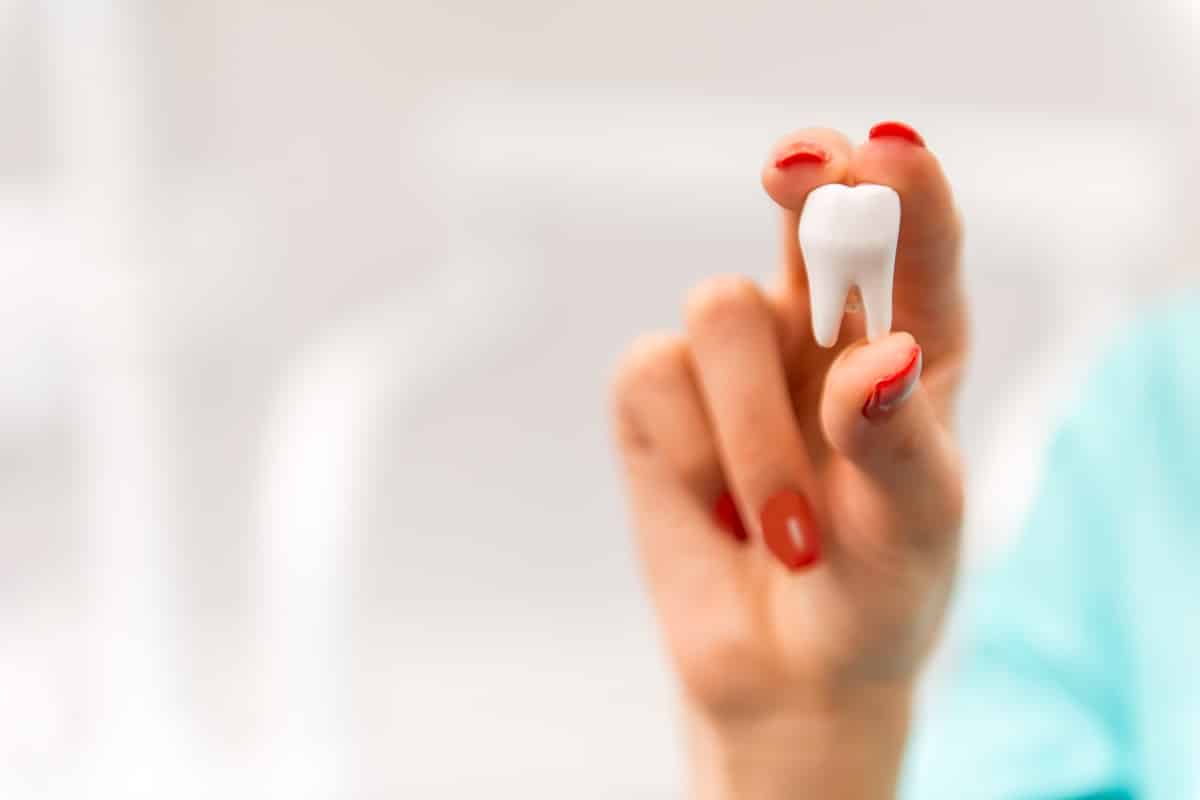
When we think of liver disease, our minds often turn to symptoms like jaundice, fatigue, or abdominal swelling. The liver’s role as the body’s central processing plant is widely understood, but its impact on seemingly unrelated areas, like our oral health, is a connection many people miss. Yet, a growing body of research shows a strong and surprising link between liver disease and dental problems. This blog post delves into this fascinating connection, explaining how a struggling liver can lead to a struggling smile and, more importantly, what you can do about it.
The Liver’s Role in Oral Health: More Than Just a Detox
The liver is a powerhouse organ responsible for over 500 vital functions. Two of its most critical roles directly impact your oral health:
- Nutrient Metabolism: The liver processes and stores essential vitamins and minerals, including Vitamins K and D, iron, and calcium. A healthy liver ensures these nutrients are available for building strong bones and teeth. When the liver is compromised, this process breaks down, leading to deficiencies that can weaken tooth enamel and bone density.
- Blood Clotting: The liver produces proteins necessary for blood clotting. In chronic liver disease, this function is impaired, leading to a condition called coagulopathy. This can manifest as easy bruising and, in the context of dental health, excessive bleeding from the gums, even during routine brushing or flossing.
Common Dental Problems Linked to Liver Disease
The connection between liver health and oral health isn’t just theoretical; it manifests in a range of specific dental issues that are more prevalent and often more severe in individuals with liver disease.
- Increased Risk of Cavities (Dental Caries): Research indicates a higher prevalence of dental caries in patients with chronic liver disease. This can be attributed to several factors, including changes in saliva composition and flow. A dry mouth, or xerostomia, is a common side effect of certain liver disease medications and the disease itself. Saliva acts as a natural cleanser, and its absence allows bacteria to thrive and produce acids that erode tooth enamel.
- Periodontal Disease (Gum Disease): This is arguably the most common and significant oral health problem associated with liver disease. Periodontal disease is an infection of the gums that can destroy the soft tissue and bone that support your teeth. The inflammation associated with liver disease can worsen gum inflammation. Furthermore, the impaired immune function often seen in liver disease makes it harder for the body to fight off the bacteria that cause gum disease, leading to a vicious cycle of inflammation.
- Oral Manifestations of Jaundice: Jaundice, a yellowing of the skin and eyes, is a classic sign of liver disease. It occurs when bilirubin, a yellow pigment, builds up in the blood. This bilirubin can also deposit in the soft tissues of the mouth, causing a yellowish discoloration of the gums and the undersurface of the tongue. While not a direct threat to teeth, it serves as a visible oral sign of a systemic problem.
- Enamel Defects and Tooth Erosion: The lack of proper nutrient absorption, particularly calcium and vitamin D, can lead to developmental enamel defects, making teeth more susceptible to wear and tear. Furthermore, some individuals with severe liver disease may experience gastroesophageal reflux disease (GERD), where stomach acid comes up into the mouth. This acid can severely erode tooth enamel, leading to sensitivity and decay.
The Two-Way Street: How Oral Health Impacts the Liver
The relationship isn’t one-sided. A growing body of evidence suggests that poor oral health can also negatively impact the liver. The bacteria from a severe gum infection can enter the bloodstream and travel to the liver, potentially exacerbating existing liver inflammation or contributing to the development of non-alcoholic fatty liver disease (NAFLD). This “two-way street” highlights the importance of an integrated approach to health, where the state of one organ can influence the state of another.
Taking Action: Protecting Your Teeth and Liver
The good news is that you can proactively manage this connection. A proactive approach to both liver and dental health is key.
- Maintain Excellent Oral Hygiene: This is your first line of defense. Brush your teeth twice a day with a fluoride toothpaste, floss daily, and use an antiseptic mouthwash to reduce bacterial load.
- Regular Dental Check-ups: Inform your dentist about your liver condition. They can monitor you for early signs of gum disease, dry mouth, or other oral problems and recommend a tailored treatment plan, including more frequent cleanings if necessary. If you’re looking for a dentist in Danville, our practice is ready to help you with personalized care.
- Stay Hydrated: Drinking plenty of water helps combat dry mouth and washes away food particles and bacteria.
- Nutrient-Rich Diet: Focus on a balanced diet rich in calcium and vitamin D to support strong teeth and bones. Discuss any potential nutritional deficiencies with your doctor.
- Manage Underlying Liver Disease: Working closely with your hepatologist or gastroenterologist to manage your liver condition is the most crucial step. As your liver health improves, many of the associated oral health problems may also lessen.
Conclusion
The link between liver disease and oral health is a compelling reminder that the body’s systems are intricately connected. A healthy liver supports a healthy smile, and a healthy mouth can, in turn, contribute to better overall health. By understanding this connection and taking proactive steps to care for both your liver and your teeth, you can safeguard your well-being and maintain a brighter, healthier smile for years to come. Don’t wait for a problem to arise—visit our dental office for a comprehensive check-up. We can assess your oral health and provide guidance on how to keep your teeth strong and healthy. To learn more or to book an appointment, contact us today.
Recent Posts
April 29, 2026
Signs of Gum Problems & When to Visit a Dentist
April 22, 2026
What Should I Do If I Experience Tooth Sensitivity After Whitening?

April 16, 2026
Why Every Family Should Consider Having a Pediatric Dentist
April 7, 2026
Can You Go To The Dentist With a Cold Sore?
April 1, 2026

