New Patients Welcome!

Tooth Infections Gone Too Far: Health Risks You Should Know
June 18, 2025
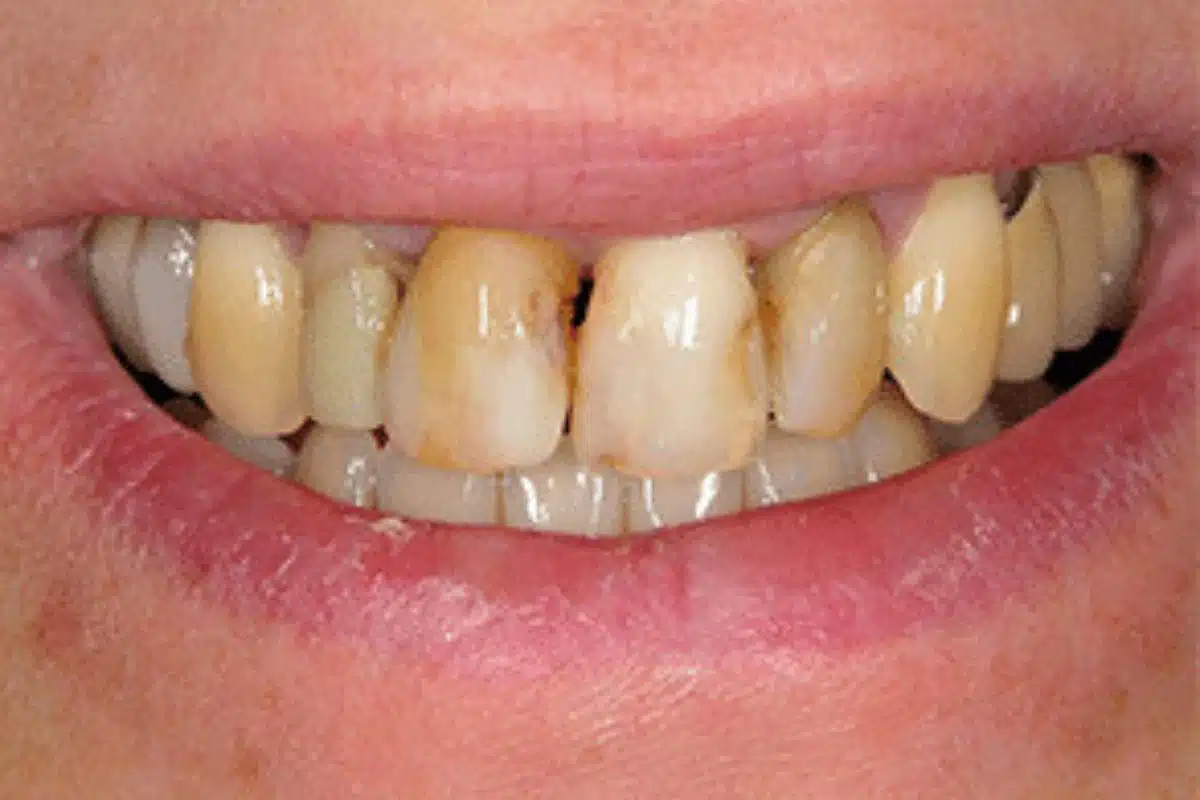
A toothache is often dismissed as a minor inconvenience, something that will pass with time or with the help of a pain reliever. However, that persistent throbbing or sharp sensitivity could be a sign of a tooth infection, also known as a dental abscess. While initially localized to the tooth, the actual danger lies in its potential to spread, leading to a cascade of serious health problems. Understanding what happens when a tooth infection spreads is crucial for protecting your overall well-being.
The Origin of the Trouble: A Deep Dive into Tooth Infection
A tooth infection typically begins when bacteria invade the innermost part of the tooth, called the pulp. This soft tissue contains nerves, blood vessels, and connective tissue. The invasion usually occurs due to untreated dental cavities, a cracked tooth, or a chipped tooth that exposes the pulp to bacteria. Once inside, the bacteria multiply, leading to inflammation and pus formation—a dental abscess.
Initially, the infection is contained within the tooth or the surrounding bone. Symptoms at this stage often include severe toothache, sensitivity to hot and cold temperatures, pain when chewing, swelling in the gums, and sometimes a fever. This is the critical window for intervention.
Beyond the Tooth: Localized Spread and Its Consequences
If left untreated, the infection doesn’t just stay put. It actively seeks paths of least resistance to spread.
- Spread to the Jawbone: The infection can erode the surrounding bone, creating a larger area of pus accumulation. This can weaken the jawbone, making it more susceptible to fractures and potentially leading to osteomyelitis, a severe infection of the bone itself.
- Facial Swelling (Cellulitis): One of the most common and visible signs of a spreading tooth infection is facial swelling. The infection can spread to the soft tissues of the face and neck, resulting in a condition known as cellulitis. This appears as a red, tender, swollen area that feels warm to the touch. If the swelling affects the eye, it can impair vision, and if it spreads to the neck, it can make swallowing and breathing difficult. If you’re searching for a reliable dentist in Danville, don’t hesitate to reach out for immediate assistance with such swelling.
- Sinus Involvement: For upper teeth, particularly molars, the roots are very close to the maxillary sinuses. An infection here can easily spread into the sinus cavity, leading to sinusitis, characterized by facial pain, pressure, and nasal congestion.
The Systemic Threat: When Infection Enters the Bloodstream
The most alarming consequence of an untreated tooth infection spreading is its ability to enter the bloodstream, leading to systemic complications.
- Sepsis: This is a life-threatening condition where the body’s response to an infection damages its tissues and organs. If bacteria from a tooth infection enter the bloodstream and spread throughout the body, it can trigger a condition known as sepsis. Symptoms include fever, chills, rapid heart rate, confusion, and low blood pressure. Sepsis is a medical emergency requiring immediate hospitalization.
- Brain Abscess: Although rare, a severe tooth infection can spread to the brain, resulting in a brain abscess. This can cause symptoms like severe headaches, neurological deficits (e.g., weakness on one side of the body), seizures, and changes in mental state. This is a severe condition with potentially devastating outcomes.
- Cavernous Sinus Thrombosis: This is another rare but highly dangerous complication where a blood clot forms in the cavernous sinus, a large vein at the base of the brain. An infection of the face, including a spreading tooth infection, can lead to this. Symptoms include severe headaches, vision problems, and eye swelling.
- Endocarditis: Individuals with certain heart conditions are at a higher risk of developing endocarditis if bacteria from a tooth infection enter the bloodstream. Endocarditis is an infection of the inner lining of the heart or heart valves, which can cause significant damage and be life-threatening.
Prevention and Prompt Action: Your Best Defense
The good news is that these severe outcomes are largely preventable. Regular dental check-ups and good oral hygiene are your first line of defense. Brushing twice a day, flossing daily, and attending professional cleanings can prevent cavities and identify potential problems early.
If you experience symptoms of a tooth infection, do not delay seeking dental attention. Prompt diagnosis and treatment, which may include root canal therapy, antibiotics, or extraction, can halt the spread of infection and protect you from potentially life-threatening complications. We encourage you to visit our dental office if you have any concerns or questions. You can easily book an appointment through our website or by calling us. Remember, a toothache is not just a toothache; it’s a warning sign that demands your immediate attention. Your oral health is intrinsically linked to your overall health, and neglecting one can have serious repercussions for the other.
Recent Posts

May 15, 2026
Teeth Whitening for Special Occasions: Achieving a Bright Smile for Events and Photos

April 29, 2026
Signs of Gum Problems & When to Visit a Dentist

April 22, 2026
What Should I Do If I Experience Tooth Sensitivity After Whitening?

April 16, 2026
Why Every Family Should Consider Having a Pediatric Dentist

April 7, 2026

