New Patients Welcome!

How Dental Implants Support a Dental Bridge
May 20, 2024

Dental implants are increasingly being utilized to support dental bridges due to their superior stability and longevity compared to traditional methods. In this article, we delve into the mechanics of how dental implants can effectively support a dental bridge, providing a detailed overview that will help you understand why this method is favored by many dental professionals and patients alike.
Understanding Dental Implants
Dental implants are artificial tooth roots made of titanium that are surgically placed into the jawbone beneath the gum line. Over time, the implant fuses with the natural bone, creating a strong foundation for a replacement tooth or bridge.
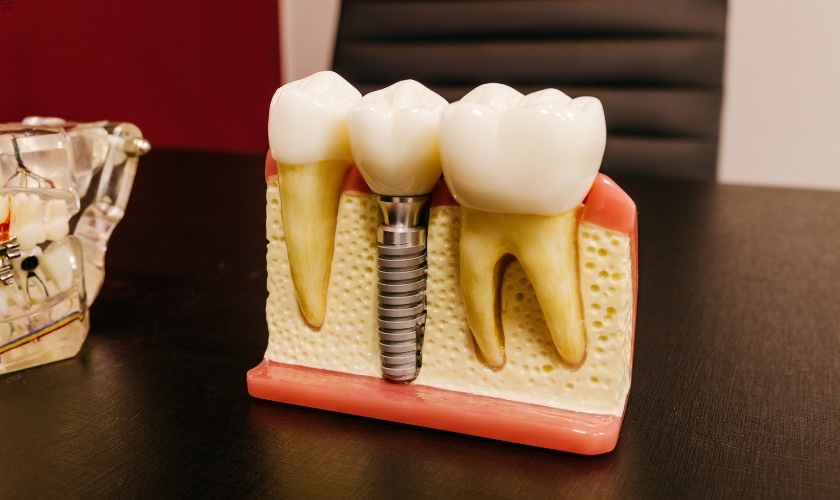
How Dental Implants Support a Dental Bridge
Step-by-Step Process
Initial Consultation: The process begins with a thorough examination and consultation with a qualified dental professional to determine if you are a suitable candidate for dental implants.
Implant Placement: Once deemed suitable, the dental implants are surgically inserted into the jawbone. This procedure is typically performed under local anesthesia, ensuring minimal discomfort.
Osseointegration: Over the following weeks to months, the jawbone naturally fuses with the implant through a process called osseointegration, creating a sturdy base for the dental bridge.
Abutment Placement: After the osseointegration is complete, an abutment is attached to the implant, which will support the dental bridge.
Bridge Attachment: Finally, a custom-made dental bridge is securely attached to the abutments, completing the restoration.
Benefits of Implant-Supported Bridges
Improved Stability: Dental implants provide a stable foundation for the dental bridge, preventing it from shifting or slipping.
Longevity: With proper care, dental implants can last a lifetime, making them a durable solution for tooth replacement.
Natural Look and Feel: Implant-supported bridges closely resemble natural teeth in both appearance and function.
Preservation of Jawbone: Implants stimulate the jawbone, preventing bone loss and maintaining facial structure.
Who Can Benefit?
Patients Missing Multiple Teeth: Implant-supported bridges are an ideal solution for patients missing several teeth in a row.
Patients with Sufficient Bone Density: Adequate bone density is necessary to support the implants. In cases of bone loss, bone grafting may be required.
Patients Seeking a Permanent Solution: Implant-supported bridges offer a fixed, long-term solution that does not require removal for cleaning.
Conclusion
Implant-supported dental bridges provide a reliable and long-term solution for replacing missing teeth. By integrating with the jawbone, dental implants ensure stability and functionality that surpasses traditional methods. If you are considering a dental bridge, consult with your dentist to explore the benefits of implant-supported options.
For more information about dental implants and their role in supporting dental bridges, contact our office to schedule a consultation.
Recent Posts

April 29, 2026
Signs of Gum Problems & When to Visit a Dentist

April 22, 2026
What Should I Do If I Experience Tooth Sensitivity After Whitening?

April 16, 2026
Why Every Family Should Consider Having a Pediatric Dentist

April 7, 2026
Can You Go To The Dentist With a Cold Sore?

April 7, 2026

