New Patients Welcome!

Are Dental Implants Permanent? A Complete Guide to Long-Term Durability
February 17, 2026
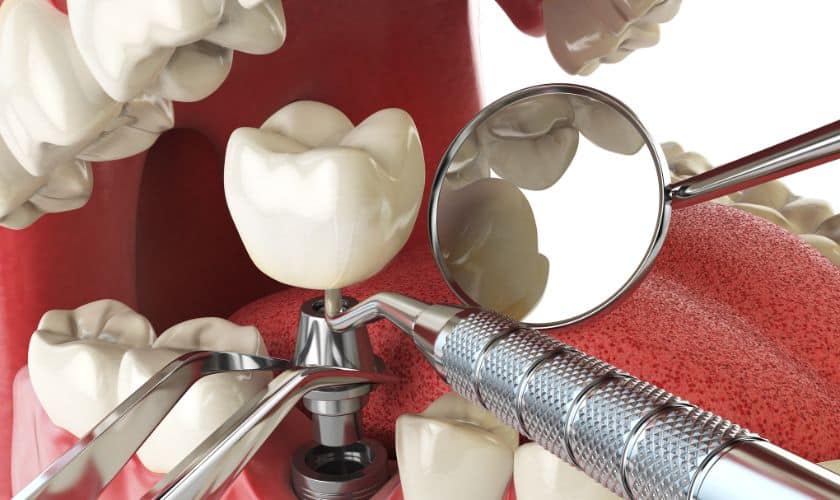
When it comes to replacing missing teeth, dental implants are widely considered the gold standard in modern dentistry. But one of the most common questions patients ask is: Are dental implants truly permanent?
The short answer is—yes, with proper care, they can last decades or even a lifetime. However, understanding what “permanent” really means will help you make a confident and informed decision.
If you’re considering treatment, it’s always best to consult an experienced implant dentist who can evaluate your unique needs and guide you through the process.
What Are Dental Implants?
Dental implants are artificial tooth roots, typically made of titanium, that are surgically placed into your jawbone. Over time, they fuse with the bone through a process called osseointegration, creating a stable and durable foundation for replacement teeth.
Once healed, implants can support crowns, bridges, or even full-arch restorations—restoring both function and aesthetics.
Are Dental Implants Truly Permanent?
Dental implants are often described as permanent because the implant post itself can last a lifetime when properly maintained.
However, it’s important to understand the two main components:
- Implant Post (Titanium Root): Designed to be permanent and rarely needs replacement
- Crown (Visible Tooth): May need replacement every 10–15 years due to normal wear
So while the foundation is long-lasting, some parts may require maintenance over time.
How Long Do Dental Implants Last?
Clinical studies show that dental implants have success rates of over 90–95% even after 10–20 years.
With excellent care, many patients enjoy their implants for 20–30 years or longer, and in many cases, a lifetime.
This makes dental implants significantly more durable than traditional options like dentures or bridges.
Key Factors That Affect Implant Longevity
Even though dental implants are designed for long-term use, several factors can influence how long they last:
1. Oral Hygiene Habits
Daily brushing, flossing, and professional cleanings are essential. Poor hygiene can lead to peri-implantitis (a condition similar to gum disease), which may compromise the implant.
2. Experience of the Implant Dentist
Choosing a skilled implant dentist plays a major role in long-term success. Proper placement and planning ensure better outcomes.
3. Bone Health
Healthy jawbone density is critical for implant stability. In some cases, bone grafting may be required before placement.
4. Lifestyle Choices
Smoking, excessive alcohol use, and poor diet can negatively affect healing and long-term success.
5. Overall Health Conditions
Conditions like uncontrolled diabetes can interfere with healing and increase the risk of implant failure.
Benefits of Choosing Dental Implants
Patients choose dental implants not just for durability but for their unmatched benefits:
- Natural look and feel
- Improved chewing and speech
- Prevention of bone loss
- No slipping or discomfort like dentures
- Long-term cost-effectiveness
Because implants integrate with your jawbone, they help maintain facial structure and prevent the “sunken” appearance often associated with missing teeth.
Can Dental Implants Ever Fail?
While rare, dental implant failure can occur. Early failure may happen if the implant doesn’t properly integrate with the bone, while late failure is often linked to infection or poor maintenance.
Common warning signs include:
- Gum inflammation or bleeding
- Pain around the implant
- Loosening of the implant or crown
Regular checkups are essential—so don’t skip your visits. If you notice any of these symptoms, visit our dental office promptly for evaluation.
How to Make Your Dental Implants Last a Lifetime
To maximize the lifespan of your dental implants, follow these expert tips:
- Brush twice daily with a soft-bristle toothbrush.
- Floss or use interdental cleaners daily.
- Schedule regular dental checkups and cleanings.
- Avoid smoking or tobacco use.
- Wear a nightguard if you grind your teeth.
Consistent care is the key to protecting your investment and ensuring long-term success.
Is Getting Dental Implants Worth It?
Absolutely. Dental implants offer a long-lasting, natural-looking, and highly functional solution for missing teeth. While the upfront cost may be higher than other options, their durability and low maintenance often make them more cost-effective over time.
If you’re ready to restore your smile and confidence, now is the perfect time to book an appointment with a trusted dental professional.
FAQs
1. Are dental implants permanent or temporary?
Dental implants are considered permanent because the titanium post integrates with your jawbone. However, the crown may need replacement after 10–15 years.
2. How long do dental implants really last?
With proper care, dental implants can last 20–30 years or even a lifetime.
3. Do dental implants require special maintenance?
No special care is needed beyond regular brushing, flossing, and routine dental visits.
4. Can anyone get dental implants?
Most healthy adults are candidates, but sufficient bone density and good oral health are required.
5. Are dental implants better than dentures?
Yes, implants are more stable, durable, and natural-looking compared to dentures.
6. What happens if a dental implant fails?
If an implant fails, your dentist can often replace it after addressing the underlying issue.
Recent Posts

May 15, 2026
Teeth Whitening for Special Occasions: Achieving a Bright Smile for Events and Photos

April 29, 2026
Signs of Gum Problems & When to Visit a Dentist
April 22, 2026
What Should I Do If I Experience Tooth Sensitivity After Whitening?

April 16, 2026
Why Every Family Should Consider Having a Pediatric Dentist

April 7, 2026

