New Patients Welcome!

Five Questions About Dental Bridges—Answered Honestly
October 5, 2026
If you are missing one or more teeth, a dental bridge may be one of the best solutions available to you. At Danville Family Dental, we hear the same concerns from patients every week. This guide covers five questions about dental bridges—answered honestly in Danville—so you can feel confident before your first appointment. Dr. Aaron Lerg and our team believe you deserve clear, straightforward answers before making any decision about your care.
What Exactly Is a Dental Bridge, and How Does It Work?
A dental bridge is a fixed restoration that replaces one or more missing teeth. It anchors to the natural teeth on either side of the gap. Those anchoring teeth are called abutment teeth. A custom-made artificial tooth—called a pontic—fills the empty space between them.
The bridge is permanently cemented in place. You cannot remove it like a denture. Most bridges are made from porcelain, ceramic, or a combination of metal and porcelain. Your dentist will recommend the material that best matches your bite and appearance goals.
Here is a quick look at the most common bridge types:
- Traditional bridge: Anchored to two natural teeth on either side of the gap
- Cantilever bridge: Anchored to only one adjacent tooth
- Maryland bridge: Bonded to the backs of adjacent teeth with minimal reshaping
- Implant-supported bridge: Supported by dental implants rather than natural teeth
Am I a Good Candidate for a Bridge in Danville?
Most patients who have one to three consecutive missing teeth are good candidates. You need healthy teeth on either side of the gap to support a traditional bridge. Good gum health is also essential for long-term success.
If you have active gum disease, that must be treated first. Gum Treatment Danville is available right here at our practice. Treating gum disease before placing a bridge protects your investment and your overall oral health.
Dr. Lerg will review your dental X-rays and examine your bite during your consultation. He will look at bone density, gum tissue, and the condition of adjacent teeth. This thorough assessment ensures a bridge will actually serve you well over time.
Does Getting a Dental Bridge Hurt?
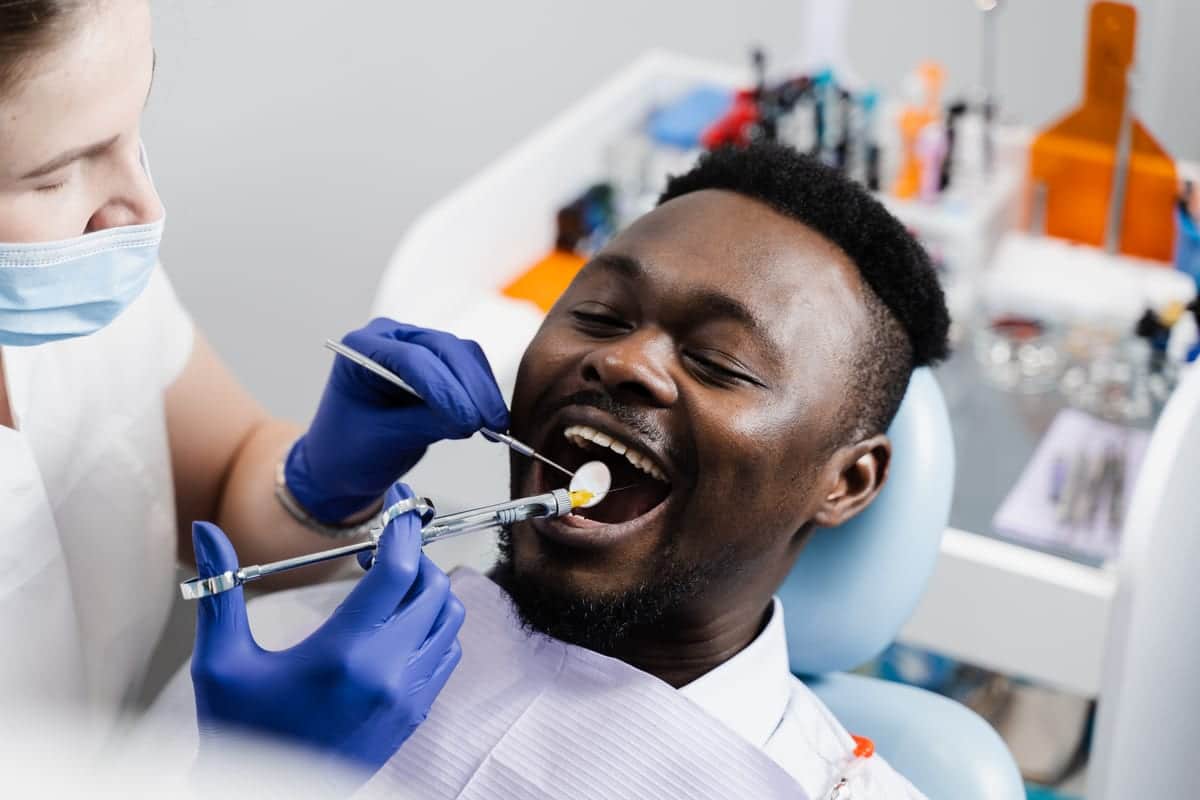
This is one of the most common questions we hear—and it is a fair one. The honest answer is that the procedure itself should not be painful. Dr. Lerg uses local anesthesia to numb the area completely before any preparation begins. Most patients report feeling pressure but no sharp pain.
After the anesthesia wears off, some mild soreness is normal. Over-the-counter pain relievers usually manage this discomfort well. The sensitivity typically fades within a few days.
If a tooth near the gap has significant decay or damage, additional treatment may be needed first. In some cases, Root Canal Treatment Danville is recommended before placing a bridge. This ensures the anchor teeth are structurally sound and infection-free.
How Long Does a Dental Bridge Last?
A well-maintained dental bridge typically lasts between 10 and 15 years. Some bridges last even longer with proper care. The lifespan depends on your oral hygiene habits, diet, and the health of your surrounding teeth and gums.
Here are the key habits that extend bridge longevity:
- Brush twice daily with a soft-bristled toothbrush
- Floss daily using a floss threader or water flosser to clean under the bridge
- Avoid chewing on hard foods like ice, hard candy, or popcorn kernels
- Attend regular checkups and professional cleanings every six months
- Wear a night guard if you grind your teeth during sleep
At Danville Family Dental, we check your bridge at every preventive visit. Catching small issues early prevents larger problems later. Consistent care is the single biggest factor in how long your bridge will last.
What Happens If I Skip the Bridge and Leave the Gap?
Leaving a gap in your smile creates more problems than most people expect. The teeth surrounding the empty space will begin to shift over time. This movement changes your bite and can cause jaw pain or uneven wear on other teeth.
Bone loss is another serious concern. Without a tooth root stimulating the jawbone, the bone beneath the gap slowly begins to resorb. This can change the shape of your face and make future tooth replacement more complex.
A missing tooth also affects how you chew. You may unconsciously favor the other side of your mouth. This puts extra stress on healthy teeth and can lead to premature wear or cracking. A bridge restores function before these problems have a chance to develop.
Conclusion: Honest Answers Lead to Confident Decisions
We know that dental decisions feel big. That is completely understandable. Our goal at Danville Family Dental is to give you the information you need without pressure or jargon. Dr. Aaron Lerg takes time with every patient to explain all options clearly. Whether a bridge is right for you—or a different solution fits better—you will always leave our office with a clear picture of your choices. Book Now to schedule your appointment with our team.
Frequently Asked Questions
How many visits does it take to get a dental bridge?
Most traditional bridges require two visits. During the first visit, Dr. Lerg prepares the abutment teeth and takes impressions. A temporary bridge protects the area while your permanent bridge is crafted. The second visit involves placing and cementing the final restoration.
Will my dental bridge look natural?
Yes. Modern dental bridges are custom-made to match the color, shape, and size of your natural teeth. Porcelain and ceramic materials reflect light similarly to real tooth enamel. Most people cannot tell the difference between a well-made bridge and a natural tooth.
Can I eat normally with a dental bridge?
You can eat most foods comfortably with a dental bridge. We recommend avoiding extremely hard or sticky foods that could put stress on the restoration. After a short adjustment period, most patients report that chewing feels natural and comfortable again.
Is a dental bridge better than a denture for replacing a few teeth?
For patients missing one to three consecutive teeth with healthy adjacent teeth, a bridge is often preferred over a partial denture. Bridges are fixed in place and do not require removal for cleaning. They also tend to feel more stable and natural during everyday activities like eating and speaking.
How do I clean under my dental bridge?
Cleaning under a bridge requires a floss threader, dental tape, or a water flosser. These tools allow you to remove food debris and plaque from beneath the pontic. Our hygiene team at Danville Family Dental will show you exactly how to clean your bridge effectively at your next visit.
Recent Posts

October 12, 2026
Modern Dentures Look Better Than Your Grandmother’s Ever Could
October 5, 2026
Five Questions About Dental Bridges—Answered Honestly

September 28, 2026
Same-Day Crowns: Finally, a Perfect Tooth Without the Wait

September 14, 2026
Stop a Small Cavity Before It Becomes a Root Canal
September 7, 2026

