New Patients Welcome!

5 Things to Know About Dental Care During Your Pregnancy
June 19, 2026

Finding out you are expecting a baby brings a whirlwind of emotions, excitement, anticipation, and perhaps a long checklist of things to do before your little one arrives. Between tracking your baby’s weekly growth, setting up the nursery, and planning for prenatal doctor visits, it is easy for dental health to slip down your priority list.
However, taking care of your teeth and gums is more critical than ever during these nine months. Your oral health directly impacts your overall well-being and can even affect your developing baby.
To help you navigate this special chapter of your life, we have put together five essential facts every expectant mother should know about maintaining a healthy smile.
1. Pregnancy Hormones Increase Your Risk for Gum Issues
During pregnancy, your body experiences a massive surge in hormones, particularly progesterone and estrogen. While these hormones are essential for supporting your baby’s growth, they also alter the way your body reacts to the plaque biofilm on your teeth.
This hormonal shift can lead to a condition known as pregnancy gingivitis. This is a mild, early form of periodontal disease that typically causes your gums to become red, swollen, tender, and more prone to bleeding during brushing or flossing. Pregnancy gingivitis usually peaks during the second trimester.
If left unaddressed, gingivitis can progress into a more severe form of periodontal disease. Studies have shown that advanced gum disease in pregnant women is linked to an increased risk of premature birth and low birth weight. When you need professional intervention, seeking a gentle and effective gum disease treatment is crucial to keeping both you and your baby safe. Keeping your gums healthy reduces the risk of harmful bacteria entering your bloodstream.
2. Routine Dental Care Is Entirely Safe (and Highly Recommended!)
There is a common myth floating around that expectant mothers should avoid the dentist until after giving birth. Fortunately, this is entirely false. In fact, major health organizations , including the American College of Obstetricians and Gynecologists (ACOG) and the American Dental Association (ADA), strongly encourage women to maintain regular dental visits during pregnancy.
Professional cleanings and checkups are completely safe. During your visit, your hygienist will remove stubborn plaque and tartar that home brushing misses, keeping pregnancy gingivitis at bay.
If you are looking for a trusted, compassionate dentist in Danville, our team is highly experienced in providing comfortable, safe prenatal care. When you schedule your visit, simply let us know how many weeks along you are. We will tailor your appointment to your comfort, providing extra pillows or adjusting the dental chair to ensure you are completely relaxed.
3. Dental X-Rays and Essential Treatments Do Not Harm Your Baby
It is natural to feel protective of your growing baby and question the safety of diagnostic tools like digital X-rays. However, modern dental X-rays use extremely low doses of radiation, and the risk to your unborn child is virtually nonexistent.
At Danville Family Dental, we take safety seriously. We use advanced digital radiography, which exposes you to significantly less radiation than traditional film X-rays, and we always utilize leaded aprons and thyroid collars to fully shield your abdomen and neck.
While elective cosmetic procedures (like teeth whitening) should be postponed until after delivery, essential treatments should never be delayed. If you develop a tooth infection, a deep cavity, or a broken tooth, treating it promptly prevents a minor issue from turning into a severe, painful infection. Putting off necessary dental care can cause unnecessary stress and pain, which isn’t good for you or your baby.
4. Morning Sickness Can Enfeeble Your Tooth Enamel
Morning sickness is one of the most challenging aspects of the first trimester (and sometimes beyond). While it takes a toll on your energy levels and appetite, frequent vomiting can also cause severe damage to your teeth.
Stomach acid is highly corrosive. When it comes into contact with your teeth, it can erode the protective outer layer of enamel, leaving your teeth vulnerable to sensitivity, discoloration, and cavities.
If you struggle with morning sickness, your first instinct might be to brush your teeth immediately after throwing up to get rid of the taste. Don’t brush right away. Brushing while the acid is actively coating your enamel can actually scrub the acid deeper into your teeth, accelerating erosion. Instead, follow these steps:
- Rinse your mouth thoroughly with water or a mixture of water and a teaspoon of baking soda (which helps neutralize the acid).
- Wait at least 30 minutes before brushing with a soft-bristled toothbrush.
- Spit out your toothpaste, but avoid rinsing heavily with water afterward so the protective fluoride can stay on your teeth longer.
5. Your Dietary Habits Impact Your Baby’s Developing Teeth
You have likely heard the phrase “eating for two,” but it’s important to focus on what you are eating. Your baby’s teeth actually begin developing under the gums between the third and sixth months of pregnancy. To give them a healthy foundation, your diet needs to be rich in essential vitamins and minerals.
Focus on consuming plenty of calcium, protein, and vitamins A, C, and D. Lean meats, dairy products, leafy greens, fortified cereals, and fresh fruits are all excellent choices that support your baby’s bone and tooth development.
At the same time, many pregnant women experience intense food cravings, often favoring sweet or sour treats. Frequent snacking on sugary carbohydrates provides a feast for cavity-causing bacteria. If you do indulge a sweet tooth, try to eat the treat alongside a main meal and rinse your mouth with water immediately afterward to wash away lingering sugars.
Best Practices for At-Home Oral Care During Pregnancy
A great routine at home is your best defense against pregnancy-related dental issues. Keep these simple tips in mind to maintain your glowing smile:
- Brush twice a day: Use a soft-bristled toothbrush and an American Dental Association (ADA)-approved fluoride toothpaste.
- Don’t skip the floss: Flossing daily removes food particles and plaque from between the teeth where a toothbrush can’t reach, which is vital for preventing gum inflammation.
- Stay hydrated: Drink plenty of water throughout the day. This keeps your mouth clean and helps combat dry mouth, another common pregnancy symptom that can elevate cavity risks.
- Switch your toothpaste if needed: If the smell or taste of your regular toothpaste triggers nausea, try switching to a bland or unflavored variety until your morning sickness subsides.
Book an Appointment with Danville Family Dental Today
Your journey through pregnancy is beautiful, busy, and deeply transformative. By prioritizing your dental care now, you are taking a proactive step to protect both your health and your precious baby’s future smile.
If you are due for a routine cleaning or have noticed any changes, such as bleeding or swelling in your gums, please come visit our dental office. We pride ourselves on offering a warm, welcoming environment where you can feel entirely at ease.
Let us give you one less thing to worry about before your bundle of joy arrives. Click below to book an appointment with our team today!
Frequently Asked Questions
1. Can I receive local anesthesia while pregnant?
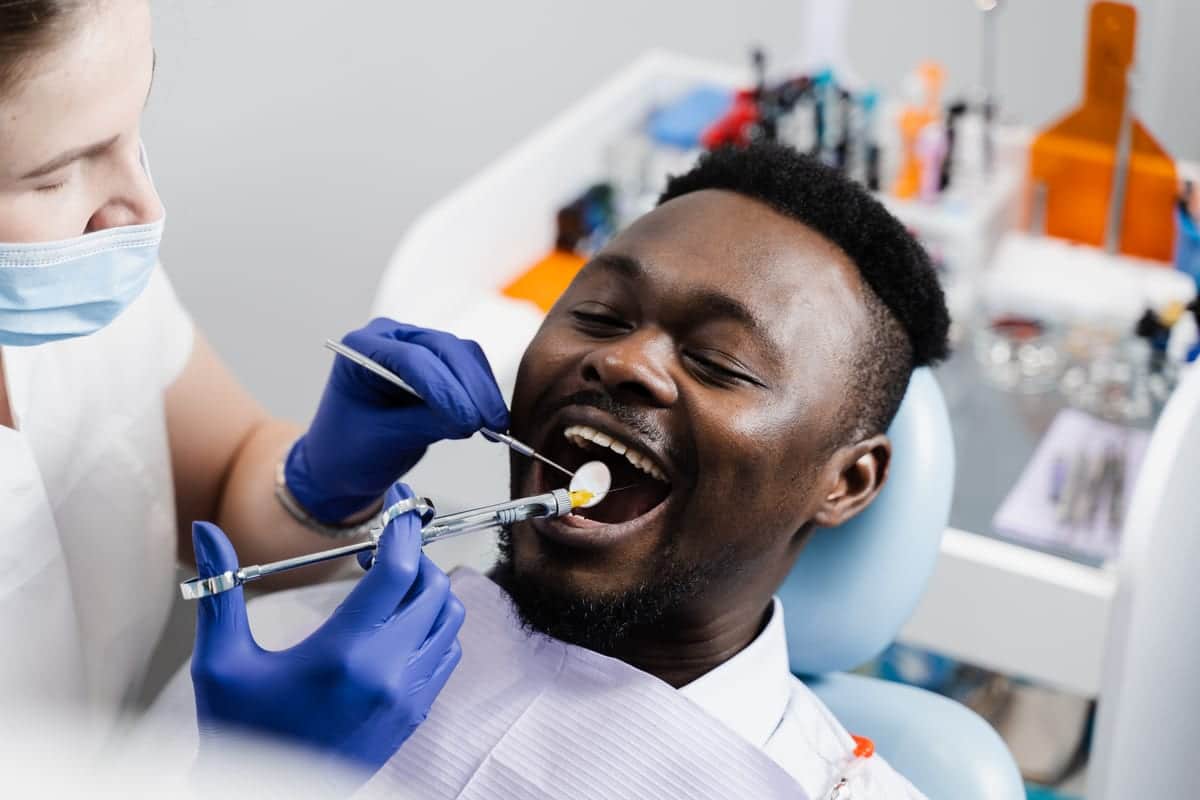
Yes. If you require a dental filling or a root canal, local anesthetics like lidocaine are safe to use during pregnancy. Getting numb ensures you remain pain-free and comfortable, reducing the amount of stress your body experiences during the procedure.
2. Is it safe to have a tooth extraction during pregnancy?
Yes, if a tooth is severely damaged or infected and cannot be saved, an extraction is safe and often necessary. Leaving an infected tooth untreated poses a far greater risk to your health and your pregnancy than the extraction procedure itself. The second trimester is usually the ideal time for these types of procedures.
3. Why do my gums bleed more easily now that I am pregnant?
This is due to pregnancy gingivitis, caused by elevated hormone levels making your gums highly sensitive to plaque. Consistent brushing, daily flossing, and a professional dental cleaning will help manage and alleviate this bleeding.
4. Should I tell my dentist that I am pregnant?
Absolutely! Always inform our team if you are pregnant, even if you are only in the very early weeks. This allows us to take extra precautions, avoid unnecessary medications or elective procedures, and ensure your absolute comfort throughout your visit.
Recent Posts

October 12, 2026
Modern Dentures Look Better Than Your Grandmother’s Ever Could
October 5, 2026
Five Questions About Dental Bridges—Answered Honestly

September 28, 2026
Same-Day Crowns: Finally, a Perfect Tooth Without the Wait

September 14, 2026
Stop a Small Cavity Before It Becomes a Root Canal
September 7, 2026

