New Patients Welcome!

What Foods Should I Avoid After Dental Implant Surgery?
June 5, 2026
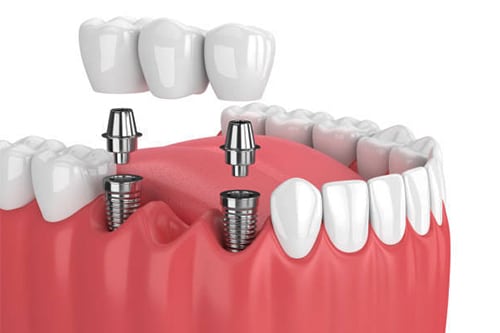
Dental implants are one of the most reliable and long-lasting solutions for replacing missing teeth. They look natural, function like real teeth, and can significantly improve your confidence and oral health. However, the success of your dental implants depends not only on the surgical procedure itself but also on how well you care for your mouth during the recovery period.
One of the most important aspects of healing is your diet. The foods you choose after surgery can either support recovery or interfere with the healing process. If you’ve recently undergone implant surgery or are preparing for treatment, understanding which foods to avoid can help protect your investment and promote a smooth recovery.
Why Your Diet Matters After Dental Implant Surgery
After dental implant surgery, your jawbone and gum tissues need time to heal around the implant. This process, known as osseointegration, allows the implant to fuse with the surrounding bone and create a strong foundation for your replacement tooth.
During the early stages of recovery, the surgical site is sensitive and vulnerable. Eating the wrong foods can:
- Irritate healing tissues
- Cause discomfort or pain
- Increase the risk of infection
- Dislodge blood clots
- Place excessive pressure on the implant site
- Delay the healing process
Following your implant dentist’s dietary recommendations can significantly improve your comfort and support a successful outcome.
Foods to Avoid Immediately After Dental Implant Surgery
The first few days after surgery are especially critical. During this time, you should avoid foods that could interfere with healing or damage the surgical site.
Hard Foods
Hard foods require significant chewing force, which can place unnecessary pressure on the implant area.
Avoid:
- Nuts
- Hard candies
- Pretzels
- Ice
- Raw carrots
- Hard crackers
- Popcorn kernels
Chewing these foods too soon can irritate the surgical site and potentially compromise healing.
Crunchy Foods
Crunchy foods can create sharp fragments that may become lodged in the surgical area.
Examples include:
- Potato chips
- Tortilla chips
- Granola
- Toast
- Crispy bread
- Crackers
These foods can cause irritation and increase discomfort during recovery.
Sticky Foods
Sticky foods can cling to your teeth and gums, making them difficult to remove. They may also pull on healing tissues.
Avoid:
- Caramel
- Taffy
- Gummy candies
- Chewing gum
- Sticky energy bars
Keeping the surgical area clean is essential, and sticky foods can make oral hygiene more challenging.
Spicy Foods
Spicy foods may irritate sensitive gum tissues and cause discomfort.
Common foods to avoid include:
- Hot sauces
- Jalapeños
- Spicy curries
- Buffalo wings
- Salsa with strong peppers
While spicy foods may not damage the implant directly, they can make recovery less comfortable.
Acidic Foods and Drinks
Highly acidic foods can irritate healing tissues and contribute to sensitivity.
Avoid:
- Citrus fruits
- Orange juice
- Lemonade
- Grapefruit
- Vinegar-heavy foods
Once healing progresses, you can gradually reintroduce these foods based on your dentist’s recommendations.
Why You Should Avoid Hot Foods and Beverages
Many patients are surprised to learn that temperature matters after implant surgery.
Very hot foods and drinks may:
- Increase swelling
- Trigger bleeding
- Cause discomfort
- Irritate healing tissues
For the first day or two, choose foods that are cool or lukewarm instead of hot.
Examples of beverages to avoid initially include:
- Hot coffee
- Hot tea
- Hot chocolate
- Soup served at high temperatures
Allow foods and drinks to cool before consuming them.
Foods That Require Excessive Chewing
Your jaw needs time to recover after surgery. Foods that require vigorous chewing can place stress on the implant area.
Avoid:
- Steak
- Pork chops
- Beef jerky
- Bagels
- Thick sandwiches
- Crusty bread
Even if these foods are part of your regular diet, it’s best to wait until your implant dentist confirms that healing is progressing properly.
Why Popcorn Is One of the Worst Choices
Popcorn deserves special attention because it combines several risk factors.
Popcorn kernels can:
- Become trapped around the implant site
- Irritate gum tissue
- Cause inflammation
- Be difficult to remove
Even partially popped kernels can create problems during recovery. It’s best to avoid popcorn entirely until your dentist gives you approval.
Should You Avoid Alcohol?
Yes, alcohol should generally be avoided during the early healing phase.
Alcohol may:
- Slow the healing process
- Increase bleeding
- Interfere with certain medications
- Cause dehydration
If you’ve been prescribed antibiotics or pain medications, alcohol can also create unwanted interactions. Follow your dentist’s instructions regarding when it is safe to resume drinking alcoholic beverages.
Foods to Limit During Long-Term Healing
Even after the initial recovery period, caution is important.
Depending on your individual case, your implant dentist may recommend temporarily limiting:
- Tough meats
- Hard breads
- Whole nuts
- Hard fruits
- Raw vegetables
Every patient heals differently. Your dentist will guide you on when you can safely return to your normal diet.
What Foods Can You Eat Instead?
Fortunately, there are plenty of nutritious and satisfying foods that support healing after dental implant surgery.
Soft Foods for the First Few Days
Excellent options include:
- Applesauce
- Yogurt
- Smoothies
- Mashed potatoes
- Pudding
- Cottage cheese
- Scrambled eggs
- Protein shakes
These foods provide nourishment without placing stress on the surgical site.
Nutrient-Rich Foods for Healing
Proper nutrition can help support tissue repair and recovery.
Consider:
- Greek yogurt
- Soft fish
- Avocado
- Oatmeal
- Blended soups
- Soft-cooked vegetables
- Soft fruits like bananas
Protein, vitamins, and minerals all play an important role in healing.
Hydration Matters
Staying hydrated is equally important.
Drink plenty of:
- Water
- Electrolyte beverages
- Milk
- Low-sugar smoothies
Avoid using straws unless specifically approved by your dentist. The suction can potentially disrupt blood clot formation during the early stages of healing.
Tips for a Smooth Recovery
In addition to avoiding problematic foods, consider these recovery tips:
Follow Your Dentist’s Instructions
Every patient’s situation is unique. Always follow the post-operative guidance provided by your implant dentist.
Eat Slowly
Take your time while eating and avoid rushing meals.
Chew on the Opposite Side
If possible, chew on the side of your mouth away from the surgical site.
Maintain Good Oral Hygiene
Keeping your mouth clean helps reduce the risk of infection and supports healing.
Attend Follow-Up Visits
Regular checkups allow your dentist to monitor healing and ensure your dental implants are integrating properly.
When to Contact Your Dentist
Some discomfort is normal after surgery, but you should contact your dental provider if you experience:
- Severe pain
- Excessive swelling
- Persistent bleeding
- Signs of infection
- Loose implants
- Difficulty eating or drinking
Prompt evaluation can help prevent complications and protect your long-term results.
The Importance of Choosing an Experienced Implant Dentist
Successful dental implants require careful planning, precise placement, and proper aftercare. Working with an experienced implant dentist helps ensure you receive personalized treatment and guidance throughout every stage of the process.
At Danville Family Dental, we understand that every patient has unique needs. Our team provides comprehensive implant care and detailed post-surgical instructions to help support a comfortable recovery and lasting results.
Schedule Your Consultation at Danville Family Dental
Recovering successfully after dental implant surgery starts with following the right aftercare instructions, including making smart food choices. Avoiding hard, crunchy, sticky, spicy, and excessively hot foods can help protect your healing gums and support long-term implant success.
If you’re considering dental implants or have questions about the recovery process, the experienced team at Danville Family Dental is here to help. We provide personalized care, detailed guidance, and advanced treatment solutions to restore your smile with confidence.
Visit our dental office today to learn more about your options. Book an appointment and take the next step toward a healthier, stronger smile.
Frequently Asked Questions
1. How long should I eat soft foods after dental implant surgery?
Most patients are advised to eat soft foods for several days to a few weeks, depending on the complexity of the procedure and individual healing progress. Your dentist will provide specific recommendations.
2. Can I drink coffee after dental implant surgery?
It is generally best to avoid hot coffee during the first 24 to 48 hours. Once approved by your dentist, you may gradually reintroduce coffee at a comfortable temperature.
3. When can I eat normal foods again?
The timeline varies from patient to patient. Many individuals gradually return to their regular diet over several weeks as healing progresses.
4. Is it okay to eat ice cream after implant surgery?
Soft, cool foods such as ice cream can be soothing initially. However, choose options that are not overly sugary and follow your dentist’s recommendations.
5. Can food get stuck around a dental implant?
Yes. During healing, food particles can become trapped near the surgical site. Careful oral hygiene and avoiding problematic foods can help reduce this risk.
6. What is the worst food to eat after dental implant surgery?
Hard, crunchy, sticky, and sharp foods are among the worst choices because they can irritate tissues, become lodged in the surgical area, and interfere with healing.
Recent Posts
June 5, 2026
What Foods Should I Avoid After Dental Implant Surgery?
May 29, 2026
Is Root Canal Treatment Painful?
May 21, 2026
Tooth Tales: What to Expect When Your Child Goes to the Dentist for the First Time

May 15, 2026
Teeth Whitening for Special Occasions: Achieving a Bright Smile for Events and Photos
April 29, 2026

