New Patients Welcome!

Can You Go To The Dentist With a Cold Sore?
April 7, 2026
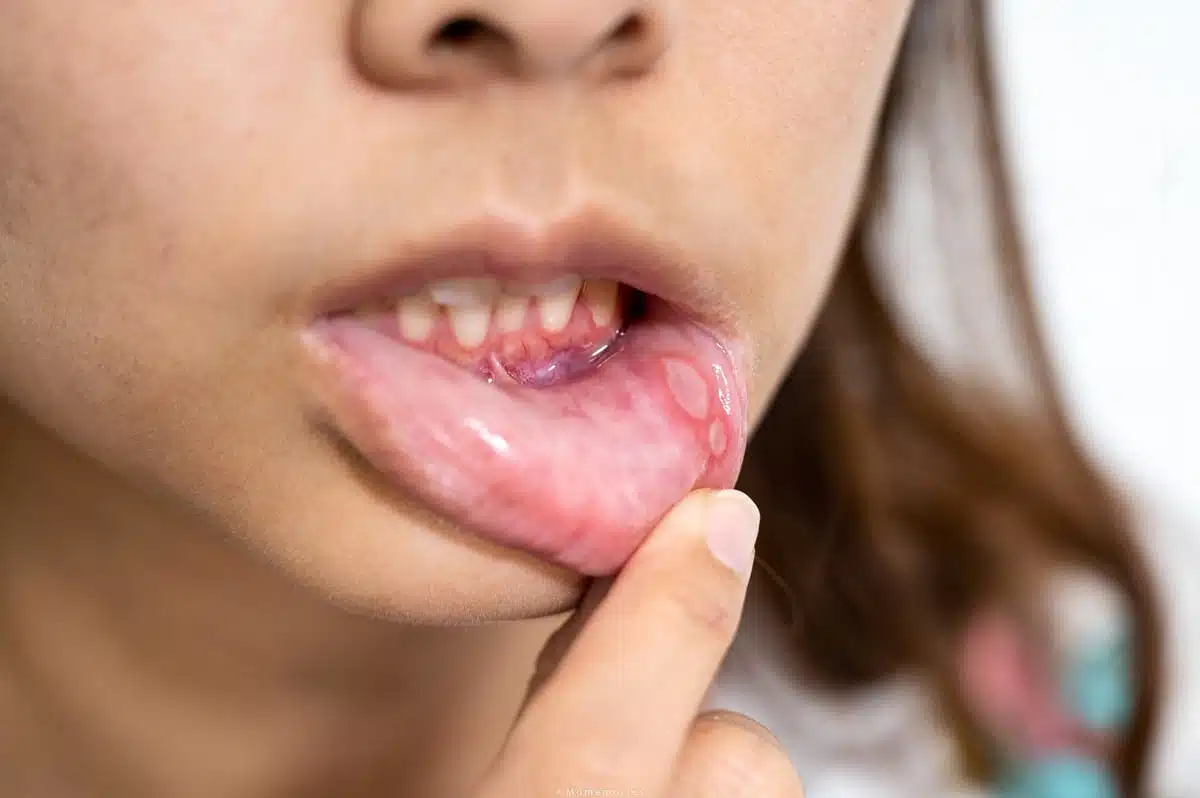
Cold sores can show up at the worst possible time—right before a scheduled dental appointment. If you’re wondering whether you should still visit your dentist, you’re not alone. This is a common concern, and the answer depends on a few important factors.
In this blog, we’ll break down everything you need to know about cold sores, dental visits, and how to protect your oral health while making the best decision for your situation.
What Is a Cold Sore?
A cold sore, also known as a fever blister, is a small, fluid-filled lesion that typically appears on or around the lips. It’s caused by the herpes simplex virus type 1 (HSV-1), which remains in your body for life once contracted.
Cold sores often go through stages, including:
- Tingling or itching (early stage)
- Blister formation
- Crusting and healing
They usually last about 5 to 7 days and are highly contagious—especially when the blister is active.
Can You Visit the Dentist With a Cold Sore?
The Short Answer: Usually No (Unless It’s an Emergency)
In most cases, it’s best to reschedule your dental appointment if you have an active cold sore. Dentists prioritize safety, and there are several reasons why delaying your visit is recommended.
Many dental professionals advise postponing non-urgent dental care until the sore has fully healed.
Why Dentists Recommend Rescheduling
1. Cold Sores Are Highly Contagious
Cold sores spread easily through direct contact and even through droplets produced during dental procedures.
Because dental care often involves close contact with your mouth, there’s a higher risk of transmitting the virus to:
- Your dentist and dental team
- Other patients
- Other parts of your own body
2. Dental Procedures Can Spread the Virus
Many dental treatments use tools that create aerosols (fine sprays of water and air). These can potentially spread the virus throughout the treatment area.
This makes it unsafe to proceed with routine dental treatment during an active outbreak.
3. Increased Pain and Discomfort
Cold sores can be extremely sensitive. During a dental visit, your lips and mouth are stretched, which can:
- Cause pain
- Reopen the sore
- Delay healing
4. Risk of Secondary Infection
The affected area is already compromised, making it more vulnerable to bacterial infection during dental procedures.
Are There Any Exceptions?
Yes—emergency dental care is different.
If you’re experiencing:
- Severe tooth pain
- Swelling or infection
- Dental trauma
Your dentist may still see you. In these cases, they will take special precautions to minimize risk, such as covering the sore or modifying the treatment approach.
What Should You Do If You Have a Cold Sore Before Your Appointment?
If you notice a cold sore forming before your scheduled visit, here’s what you should do:
1. Call Your Dental Office
Let your dental care provider know about your condition. They can advise whether to proceed or reschedule.
2. Monitor Symptoms
Even early signs like tingling mean the virus is active and contagious.
3. Reschedule If Necessary
Most routine procedures—like cleanings, exams, or cosmetic dental treatment—can wait until the sore heals.
When Is It Safe to Visit the Dentist Again?
You can safely visit your dentist once:
- The cold sore has completely healed
- There are no open blisters or scabs
- You’re no longer experiencing pain or sensitivity
This typically takes about 7–10 days, though healing time can vary.
Tips to Prevent Cold Sores Before Dental Visits
If you frequently get cold sores, you can take preventive steps before your next dental appointment:
- Manage stress (a common trigger)
- Use lip balm with SPF to prevent sun-related outbreaks
- Stay healthy and hydrated
- Ask your dentist about antiviral medication if you have frequent outbreaks
Cold sores are often triggered by illness, stress, or sun exposure, so prevention plays a key role.
Why Honest Communication With Your Dentist Matters
It might feel like “just a small sore,” but informing your dentist is essential for safe and effective dental care.
Your dental team isn’t judging—they’re focused on protecting:
- Your health
- Their staff
- Other patients
By communicating openly, you help ensure a safer experience for everyone.
Dental Care Still Matters—Don’t Skip It
While you may need to delay your visit temporarily, don’t neglect your oral health. Routine dental care is essential for:
- Preventing cavities
- Avoiding gum disease
- Catching issues early
If you’ve had to reschedule, make sure to book an appointment as soon as your cold sore has healed.
Why Choose Danville Family Dental?
At Danville Family Dental, your comfort and safety come first. Whether you need preventive dental care, restorative dental treatment, or expert advice, their friendly team is here to help.
They understand conditions such as cold sores and will work with you to ensure your visit is safe, comfortable, and effective.
Frequently Asked Questions
1. Can I still go to the dentist if my cold sore is small?
Even a small cold sore is contagious. It’s best to call your dentist and likely reschedule unless it’s an emergency.
2. What if my dental appointment is urgent?
If you need urgent dental treatment, your dentist may proceed with extra precautions to protect you and others.
3. Can dental work make a cold sore worse?
Yes. Stretching and irritation during procedures can worsen the sore and delay healing.
4. How long should I wait before rescheduling?
Wait until the cold sore is completely healed—usually about 7–10 days.
5. Are cold sores the same as canker sores?
No. Cold sores are contagious and appear outside the mouth, while canker sores are not contagious and occur inside the mouth.
Final Thoughts
So, can you go to the dentist with a cold sore?
In most cases, it’s best to wait.
Rescheduling your appointment protects your health, prevents the spread of infection, and ensures your dental treatment goes smoothly. However, if you’re dealing with a dental emergency, your dentist can still help with the right precautions.
Ready to Take Care of Your Smile?
Your oral health shouldn’t wait longer than necessary. Once your cold sore has healed, it’s time to prioritize your smile. Visit our dental office for personalized, compassionate dental care.
Whether you need a routine checkup or advanced dental treatment, their experienced team is here to keep your smile healthy and bright!
Recent Posts
April 7, 2026
Can You Go To The Dentist With a Cold Sore?
April 1, 2026
Top Teeth Whitening Techniques to Achieve a Radiant Smile Fast
March 27, 2026
Can Children Use Fluoride Mouth Rinse?
March 19, 2026
The Benefits of Saltwater Rinse for Gum Health: Expert Advice

March 11, 2026

