New Patients Welcome!

Can You Get Dental Implants if You Have Diabetes?
January 21, 2025
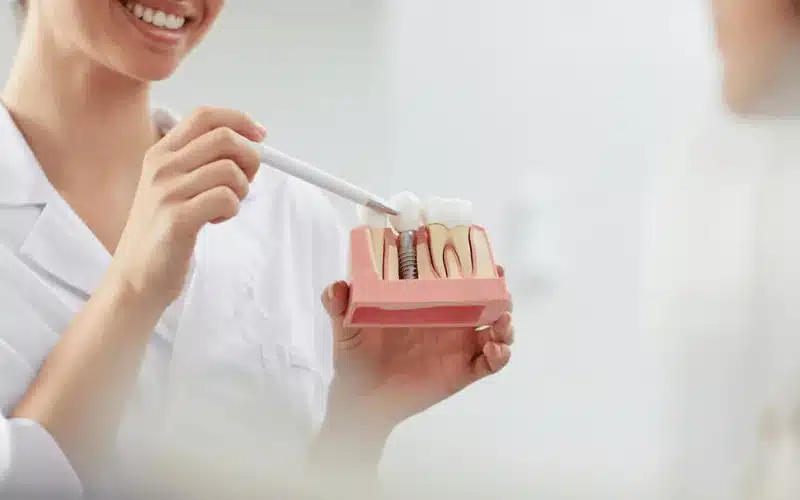
When it comes to restoring your smile, dental implants are often considered the gold standard. However, if you have diabetes, you might be wondering, “Can I still get dental implants?”
The short answer is yes, but there are several factors to consider before moving forward. So, if you’ve been thinking about getting dental implants but have concerns due to diabetes, you’re in the right place!
At Danville Family Dental, we understand that each patient’s health is unique, especially when managing conditions like diabetes. In this blog, we’ll explore the relationship between diabetes and dental implants, and how you can improve your chances for a successful implant procedure.
Understanding Diabetes and Its Impact on Dental Health
Diabetes, whether type 1 or type 2, can affect your oral health in various ways. People with diabetes are at a higher risk of gum disease, tooth decay, and delayed healing, all of which can impact the success of dental implants.
When you have diabetes, your blood sugar levels are higher than normal, which can interfere with your body’s ability to fight infections and heal wounds properly. This is especially important after dental implant surgery, as it is a procedure that requires proper healing of both the gum tissue and the bone.
However, this doesn’t mean you can’t benefit from dental implants. With proper care and a customized treatment plan, dental implants can still be an excellent option for restoring your smile.
How Diabetes Affects Dental Implant Success
The success of dental implants relies on the ability of your jawbone to fuse with the implant (a process known as osseointegration). Unfortunately, high blood sugar levels can impair this process and may lead to implant failure if not managed properly.
Here are the main ways diabetes can affect dental implants:
- Delayed Healing:
Diabetes can impair the healing process after surgery, which may affect the success of your dental implant placement.
- Increased Risk of Infection:
Increased blood sugar levels can weaken your immune system, making it harder for your body to fight infections, potentially leading to complications with your implants.
- Bone Loss:
Diabetes can contribute to bone loss, particularly in the jaw, which can affect the stability of the implant.
Can You Get Dental Implants with Diabetes?
The good news is that many people with diabetes can still get dental implants, as long as their condition is well-controlled. Studies have shown that dental implants have a high success rate in diabetic patients, especially when their blood sugar levels are kept under control.
Here are a few key considerations that can help ensure the success of dental implants:
- Control Your Blood Sugar:
Keeping your blood sugar levels within a target range is the most important factor for a successful dental implant procedure. This means closely monitoring your glucose levels and following your doctor’s recommendations.
- Consult with Your Healthcare Provider:
Before moving forward with dental implants, it’s crucial to consult with both your dentist and your physician. Your dentist will need to know your medical history, while your physician will help ensure your diabetes is well-managed before surgery.
- Choose an Experienced Implant Specialist:
An experienced dentist with expertise in placing implants for diabetic patients can help reduce the risks associated with diabetes and increase your chances of success.
What Steps Can You Take to Ensure Dental Implant Success with Diabetes?
If you have diabetes and are considering dental implants, here are a few things you can do to increase your chances of success:
- Maintain a Healthy Diet:
Eating a balanced diet that’s low in sugar and high in nutrients is key to keeping your blood sugar levels stable. This can also promote faster healing and better overall oral health.
- Quit Smoking:
Smoking can interfere with the healing process and increase the risk of infection. If you smoke, it’s highly recommended to quit before undergoing dental implant surgery.
- Follow Your Dentist’s Aftercare Instructions:
After getting dental implants, your dentist will provide you with specific aftercare instructions to ensure proper healing. Following these instructions is crucial for the longevity and success of your implants.
- Keep Regular Dental Check-ups:
Regular check-ups will allow your dentist to monitor the health of your implants and catch any potential issues early.
Frequently Asked Questions (FAQs)
1. How long does it take to recover from dental implant surgery if you have diabetes?
Recovery time varies from patient to patient, but most people can expect to heal within 3 to 6 months. However, if you have diabetes, it may take a little longer, as the healing process can be slower due to blood sugar levels.
Following your dentist’s aftercare instructions will help promote faster healing.
2. Are dental implants safe for people with type 2 diabetes?
Yes, dental implants can be safe for people with type 2 diabetes, provided their blood sugar levels are controlled.
If your diabetes is poorly managed, the risk of complications increases, so it’s essential to work with your healthcare team to get your blood sugar under control before undergoing the procedure.
3. Can I get dental implants if I have diabetic complications like neuropathy or kidney disease?
If you have diabetic complications like neuropathy or kidney disease, it’s important to have a thorough evaluation by your doctor and dentist before pursuing dental implants.
These conditions can affect your ability to heal properly, but in many cases, with proper management, dental implants can still be a viable option.
4. What is the success rate of dental implants in diabetic patients?
The success rate for dental implants in diabetic patients is similar to that of non-diabetic patients, especially when diabetes is well-controlled.
Studies show that dental implants have a success rate of 95% or higher in patients with properly managed diabetes.
5. Do I need to make any lifestyle changes before getting dental implants?
Yes. Before getting dental implants, it’s a good idea to maintain a healthy diet, keep your blood sugar levels within the recommended range, and avoid smoking to reduce the risk of complications and promote healing.
Conclusion
In conclusion, having diabetes doesn’t automatically disqualify you from getting dental implants. By managing your blood sugar levels and following the proper care guidelines, dental implants can be a successful option for restoring your smile.
It’s essential to consult with both your dentist and healthcare provider to ensure the best possible outcome. With the right approach, you can enjoy the benefits of dental implants while maintaining your overall health.
If you’re considering dental implants in Danville, OH, or have questions about how diabetes may impact your options, contact us today to schedule a consultation with the expert dental team at Danville Family Dental.
Recent Posts

May 15, 2026
Teeth Whitening for Special Occasions: Achieving a Bright Smile for Events and Photos

April 29, 2026
Signs of Gum Problems & When to Visit a Dentist

April 22, 2026
What Should I Do If I Experience Tooth Sensitivity After Whitening?

April 16, 2026
Why Every Family Should Consider Having a Pediatric Dentist

April 7, 2026

