New Patients Welcome!

What Are The Stages Of Root Canal Therapy?
January 20, 2023
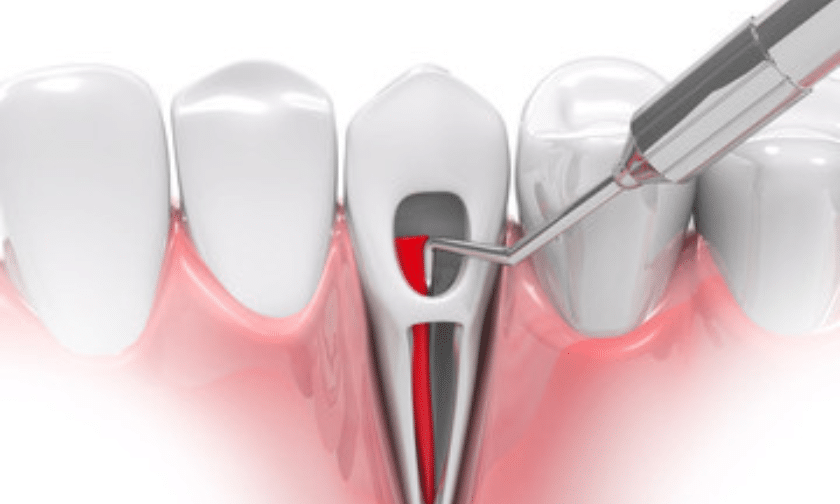
We all know that a root canal is one of the most dreaded dental procedures. But what exactly is it, and what are the steps involved? Today, we will look at root canal therapy, also known as endodontic treatment. This procedure is used to treat an infected tooth and can often help save a tooth that would otherwise need to be extracted. So let’s take a closer look at what root canal therapy entails.
Root canal therapy is a treatment used to save a tooth damaged by decay or infection.
Root canal therapy is a standard dental procedure to repair and save a tooth damaged by decay or infection. By removing the nerve and pulp chamber of the affected tooth, the dentist can carefully clean, disinfect, and shape the area before sealing it off with a composite filling. During this process, a small hole is drilled into the affected tooth, and anesthesia may be given to reduce discomfort. Studies have shown root canal therapy to have a very high success rate when performed by an experienced dental professional. It helps eliminate pain caused by an infected or decayed tooth while preserving its function and preventing further damage. They allow patients to maintain their natural teeth for much longer than expected!
The first stage of root canal therapy is to remove the damaged tissue from the tooth.
Root canal therapy can be complicated, but the first step is easy to describe. This stage involves removing the tissue from inside the tooth damaged by decay or other types of trauma. This step must be done meticulously, as not all affected tissue may be visible in plain sight. During this stage, an opening is created to access the inside of the tooth so that the dentists can accurately assess what’s happening within it. Once confident that all damaged tissue has been removed, they can provide further treatment, such as sealing off any remaining cavities.
The next stage is to clean and disinfect the tooth, which helps to prevent further infection.
Cleaning and disinfecting the tooth after a root canal procedure is integral to care to prevent infection. This may involve using either antiseptic mouthwash or a cleansing solution, followed by placing a medicated dressing on the area. To ensure that the disinfection is effective, the patient must follow through on all instructions appropriately given by their dentist and hygienist. Not only does this help protect from further infection, but it also helps to ensure a quick recovery time and reduce any discomfort associated with dental work.
The final stage of root canal therapy is to fill the tooth with a particular material called gutta-percha, which helps to protect it from further damage.
The last step in root canal therapy is to fill the tooth with gutta-percha, a unique material that is rubber-like and very easy to shape. This material creates a seal around the tooth, blocking bacteria and preventing reinfection, helping keep it safe from any potential damage. Once done, your dentist can top the tooth off with a crown. Gutta-percha is widely used for its efficiency and extended-lasting properties, making it an ideal choice for this treatment.
Root canal therapy is a standard dental treatment that can save a tooth from decay or infection. The first stage of root canal therapy is to remove the damaged tissue from the tooth. The next step is to clean and disinfect the tooth, which helps to prevent further infection. The final stage of root canal therapy is to fill the tooth with a particular material called gutta-percha, which helps to protect it from further damage.
Recent Posts

May 21, 2026
Tooth Tales: What to Expect When Your Child Goes to the Dentist for the First Time

May 15, 2026
Teeth Whitening for Special Occasions: Achieving a Bright Smile for Events and Photos

April 29, 2026
Signs of Gum Problems & When to Visit a Dentist

April 22, 2026
What Should I Do If I Experience Tooth Sensitivity After Whitening?

April 16, 2026

