New Patients Welcome!

7 Important Facts You Should Know About Sedation Dentistry
January 6, 2023
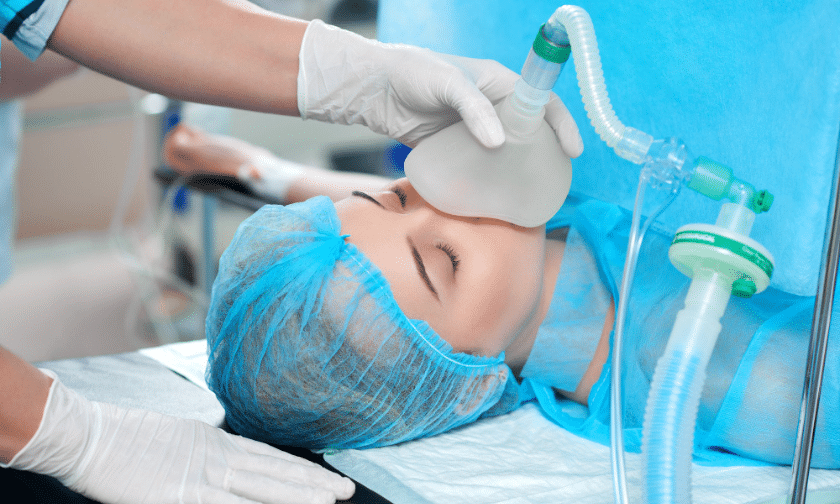
Sedation dentistry is an excellent option for people who experience dental anxiety or fear. It can help make your dental visits more comfortable and relaxed. Here are seven essential facts that you should know about sedation dentistry:
1. Sedation dentistry can help relieve dental anxiety or fear.
2. It can help make your dental visits more comfortable and relaxed.
3. Different types of sedation are available, including oral conscious sedation and IV sedation.
4. Sedation dentistry is safe and effective when used as directed by a qualified dentist or dental professional.
5.. You will still be able to communicate with your dentist while under sedation.
6.. You may feel drowsy or asleep during the procedure, but you will be able to respond to commands from the dentist.
7.. The effects of the sedative will wear off within a few hours after the procedure is complete.”
Sedation dentistry is a branch of dental medicine that uses medication to help patients relax during dental procedures.
Sedation dentistry offers an excellent way for those with dental anxiety to feel comfortable visiting the dentist. It is becoming increasingly popular with adults and children, providing much-needed relaxation during potentially stressful procedures. This branch of dental medicine typically uses medication, such as intravenous sedation or nitrous oxide, to help patients relax. Once administered, individuals will usually experience a deep sense of calm and will be minimally aware of the sensations of their procedure. They may not even remember much from their appointment afterward! It is an effective way to receive the necessary treatment without feeling anxious or stressed about the whole process.
There are different types of sedation, including oral sedation, IV sedation, and nitrous oxide.
Regarding sedation, there are three major types that you can explore: Oral sedation, IV Sedation, and Nitrous Oxide. Oral sedation is a mild form of conscious sedation, where patients take a pill that relaxes them as it helps ease anxiety about upcoming procedures. IV Sedation involves the injection or infusion of medicine through a vein in your arm to induce a mildly deeper state of relaxation. And for those looking for peace but want to remain awake during the procedure, there’s Nitrous Oxide: It is inhaled through a mask and gives the patient feelings of euphoria and calmness. Each type of sedation has its levels and effects while relieving pain and discomfort when undergoing medical procedures. With the correct kind of sedation chosen by you and your doctor, you will find yourself in safer, more comfortable hands.
Sedation dentistry can be used for various procedures, from simple cleanings to more complex surgeries.
Sedation dentistry is an increasingly popular approach to providing dental care in a stress-free environment. This technique is used for various dental procedures and treatments – routine checkups, hygiene appointments, or complex surgeries. Medication administered before the meeting helps patients feel relaxed and comfortable during their visit, allowing them to remain aware while drifting into a peaceful state of contentment. Some people may require more intensive relaxation methods, such as general anesthesia if the procedure requires more advanced treatment that requires more significant sedation. Regardless, this type of dentistry aims to provide comfort and minimize anxiety during each process, allowing for smoother visits with minimal disruption.
The type of sedation used will depend on the procedure performed and the patient’s level of anxiety.
When patients undergo a surgical procedure, the type of sedation used can vary depending on the patient’s needs and the particular surgery being performed. Generally, when a procedure isis brief and involves minimal discomfort, local anesthesia is sufficient and can help alleviate some minor anxiety. However, if the patient is anxious or if the procedure is more involved, leading to more significant pain and discomfort in addition to a longer duration time, then conscious sedation or general anesthesia is typically suggested. All three types of anesthesia provide different levels of sedation; it is essential to consult with your doctor to determine which one is best for you.
Side effects of sedation dentistry are typically mild and include drowsiness and dizziness.
Sedation dentistry is an effective and safe method for administering dental treatment, as the side effects of such treatments are usually mild. Patients often report feeling drowsy and dizzy after sedation, but those feelings typically dissipate soon. There does appear to be a slight risk of experiencing more extreme reactions, such as nausea or vomiting, but those should subside shortly after the procedure. It’s important to note that although sedation can facilitate a more accessible experience in tdentist’st’s chair, taking proper post-operative care will still be necessary to ensure the treatment continues its intended effect.
Patients should not drive or operate machinery after receiving sedation dentistry.
Sedation dentistry is an effective tool for treating dental anxiety and helping patients get the necessary care. But it can also leave patients feeling dizzy or tired afterward, so operating machinery or driving is unsafe after undergoing sedation dentistry. Patients should plan when receiving sedation dentistry and take precautions such as enlisting a family member or friend to drive them home afterward. Additionally, it’s essential to avoid making any major life decisions while under the influence of the sedative medications used in sedation dentistry, as the effects can cloud judgment. Knowing the limitations of sedation dentistry helps patients make safe decisions and gain peace of mind while getting the dental treatment they need.
Sedation dentistry can be an excellent option for patients who experience anxiety during dental procedures. There are different types of sedation available, and the type used will depend on the method being performed and the patient’s patient’s anxiety. Side effects of sedation dentistry are typically mild and include drowsiness and dizziness. Patients should not drive or operate machinery after receiving sedation dentistry.
Recent Posts
April 22, 2026
What Should I Do If I Experience Tooth Sensitivity After Whitening?

April 16, 2026
Why Every Family Should Consider Having a Pediatric Dentist

April 7, 2026
Can You Go To The Dentist With a Cold Sore?
April 1, 2026
Top Teeth Whitening Techniques to Achieve a Radiant Smile Fast

March 27, 2026

